
Shopping Cart
In stock
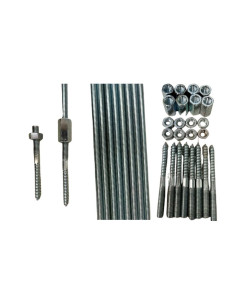
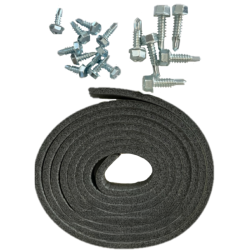
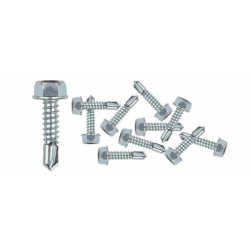
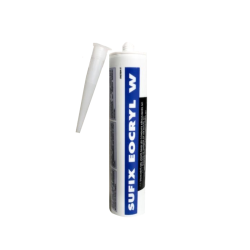
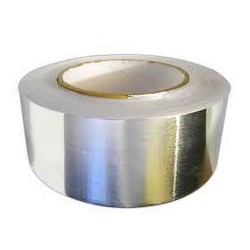
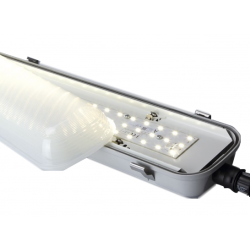
Commercial Rang Hood Installation Kit: Cabinet—Threaded rods and hardware
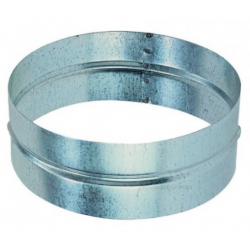
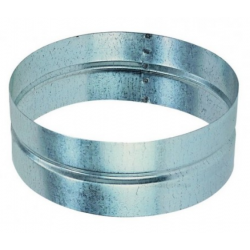
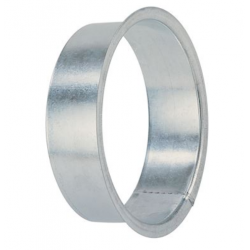
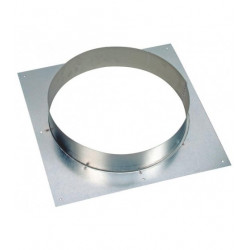
Galvanized flat connector (hood-to-duct connection)
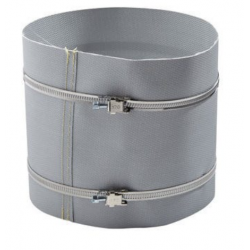
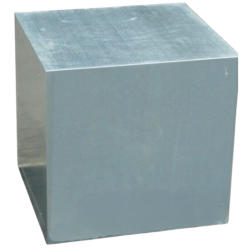
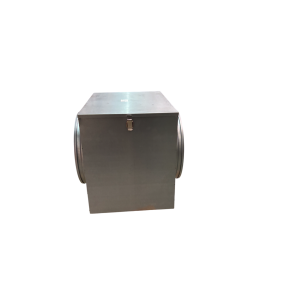
G3 Filter Housing for Circular Ducts (Supply and Exhaust)
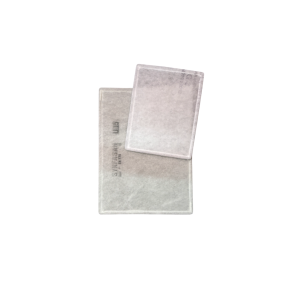
G3 Filter for Prefilter Housing
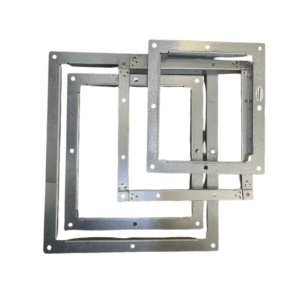
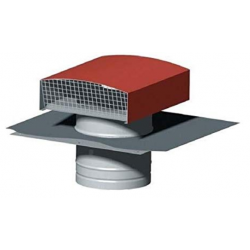
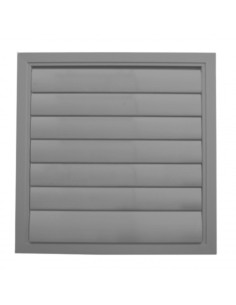
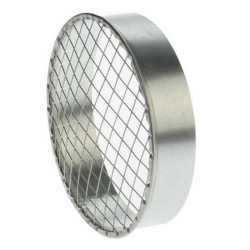
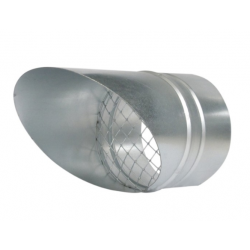
Wire-mesh whistle with horizontal outlet
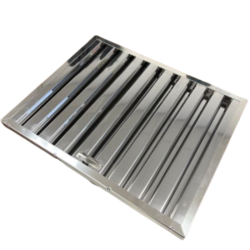
L500 x H400 x D25 mm pleated filter compatible with the Sogood Eco Ventil range hood
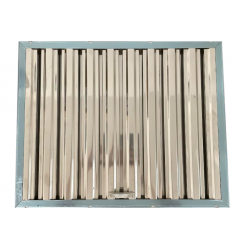
L500 x H400 x D25 mm High-Efficiency Filter, Specially Designed for Fryers and Grills
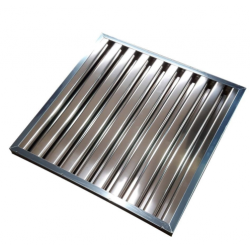
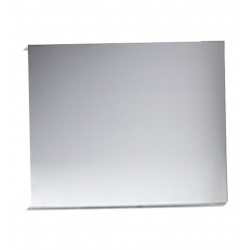
Stainless Steel Cover Plate (L500 x H400 x D25 mm) for Range Hood
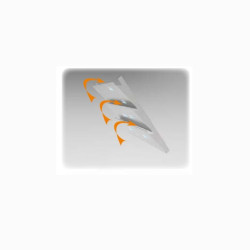
Condensation filter for laundry room, 500 x 400 x 25 mm (W x H x D)
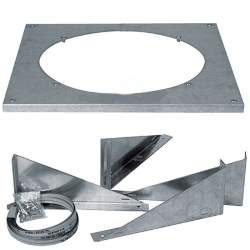
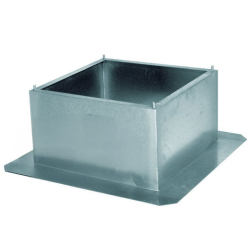
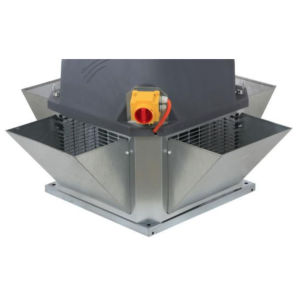
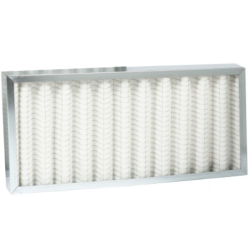
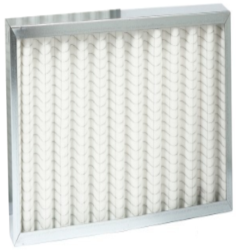
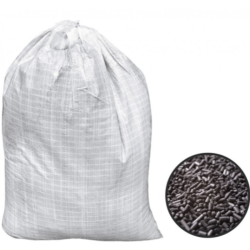
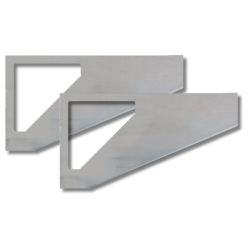
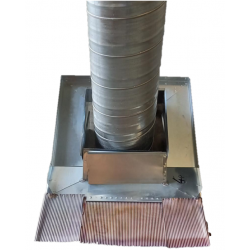
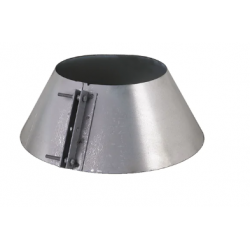
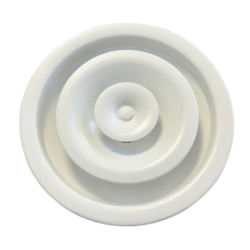
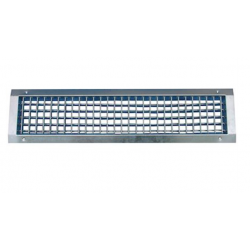
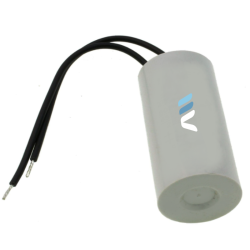
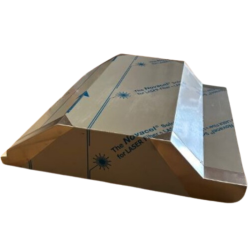
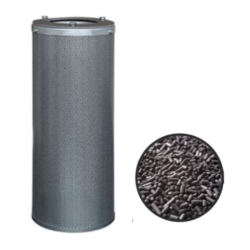
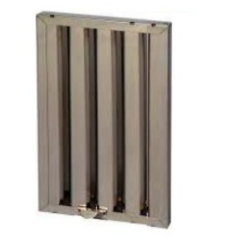
Half-size baffle filter: L 250 x H 400 x D 25 mm
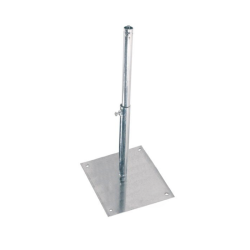
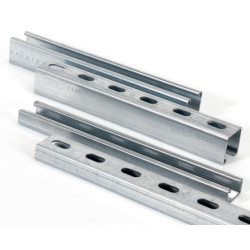
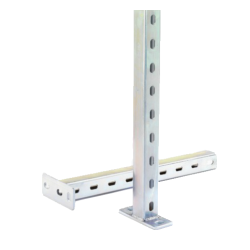
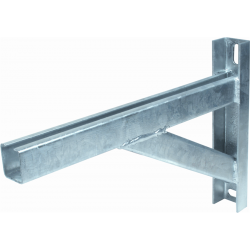
Perforated galvanized steel bracket
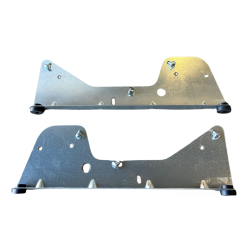
Support feet for worm gear motor with screws and silent blocks
The diameter depends on the target airflow: as a guide for hoods, Ø160 corresponds to around 800 m³/h, Ø200 to 1200 m³/h, Ø250 to 1800 m³/h, Ø315 to 3000 m³/h and Ø400 to 4000 m³/h. These theoretical benchmarks need adjusting based on the length of the network and the number of elbows, which increase pressure losses. Note that for a mechanical ventilation network, you need to size the duct at roughly double for the same airflow (for example Ø160 = 500 m³/h, not 800)!
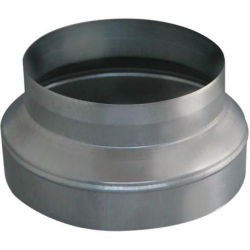
The male galvanised connector is used between two sections of ducting to join them, while the female connector is generally fitted to the flat spigot to receive an elbow or a T-piece. Both are galvanised steel jointing parts, to be used according to the fitting direction of your network. Installer's tip: if you run out of female connectors on site but have a spare offcut of duct in the same diameter, simply cut 10 cm strips of duct to make your own female connectors.
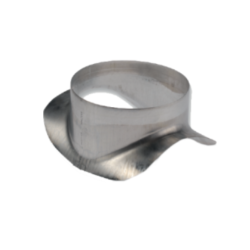
Both the galvanised flat spigot and the galvanised flanged spigot collar connect the outlet of the hood (or extraction fan box) to the extraction ducting. As a general rule, the flanged spigot collar is much easier to fit, but costs more. The flat spigot often requires careful cutting, particularly when connecting to a motorised hood.
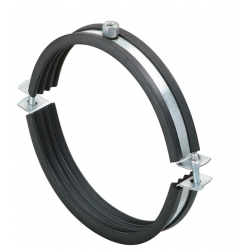
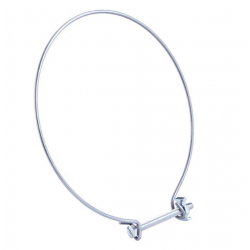
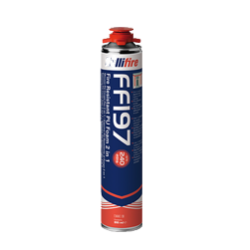
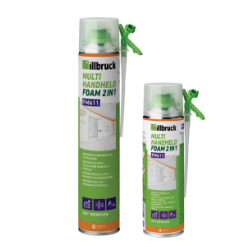
Allow for one insulated fixing clamp every 2 to 3 metres, paired with an 8 or 10 mm threaded rod for suspension. A duct run fixing kit is also available to equip a 6 to 10 metre section. Installer's tip: always fit a clamp at the start of the run from the hood to reinforce the overall rigidity. Conversely, if your duct passes through a wall, the wall takes the place of the clamp, and you just need to fill the gap around the duct with expanding foam to stiffen the whole assembly.
Yes, this is essential: a hood or mechanical ventilation system extracting air without sufficient make-up air will see its actual airflow reduced, with a risk of negative pressure and noise. This is a point to check before finalising your network, regardless of which accessories you choose. For example, for a 2 metre hood, allow for a minimum air inlet of 200 x 200.