
Shopping Cart
In stock
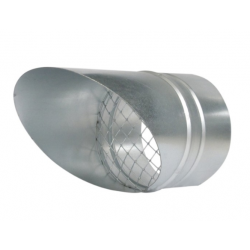
Wire-mesh whistle with horizontal outlet
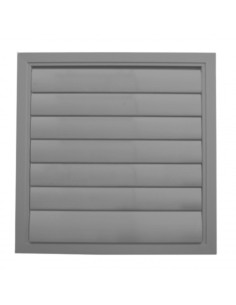
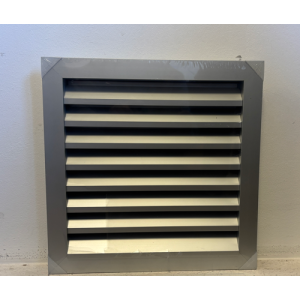
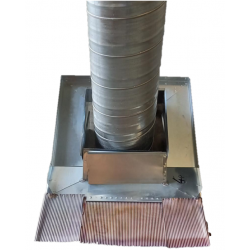
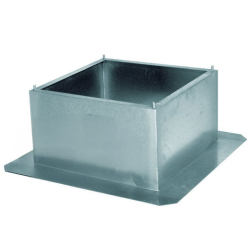
It mainly depends on your building. A restaurant with roof access will usually favour a roof outlet (cowl, flashing) to greatly reduce odour nuisance, while a food truck or a ground floor premises will generally go for a wall outlet (shutter or mesh end cap), due to insufficient space for a vertical discharge.
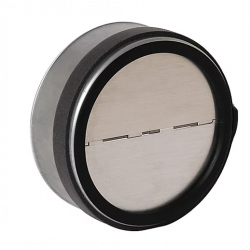
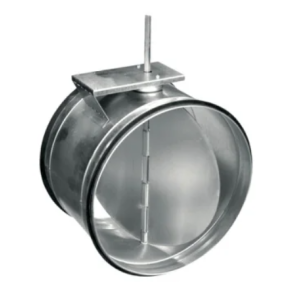
The backdraught damper prevents outside air from coming back in when the fan is stopped, which limits draughts and odours. The galvanised circular control damper is used to manually adjust the airflow in the duct, for example to balance a network with several outlets. They are not equivalents but can work together.
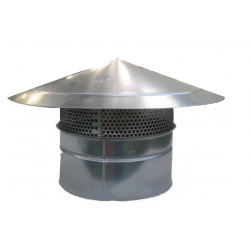
No, they are not fitted in the same place. The weather louvre is fitted on a horizontal wall outlet, to protect against rain. The galvanised roof cowl is fitted on a vertical roof outlet, to protect the duct from the weather at that location.
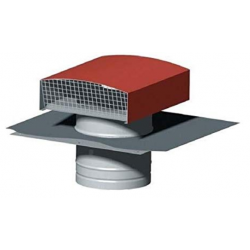
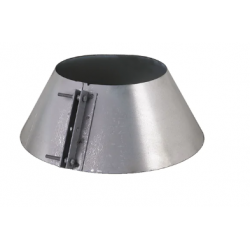
The roof flashing offered covers diameters from D250 to D500 mm. A practical tip: when you position your duct in the centre of the flashing (square opening), bend the corners with a hammer against the duct to round it off, then seal the duct to the flashing with a wide butyl tape. You can reinforce water tightness further by adding a rain flashing collar.
This is not recommended at all. Reducing the diameter at the network outlet speeds up the air, increases noise and significantly reduces airflow. It is better to keep an outlet diameter consistent with that of your extraction duct.