Shopping Cart
In stock
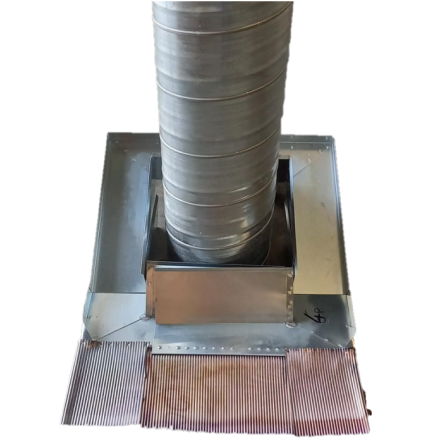
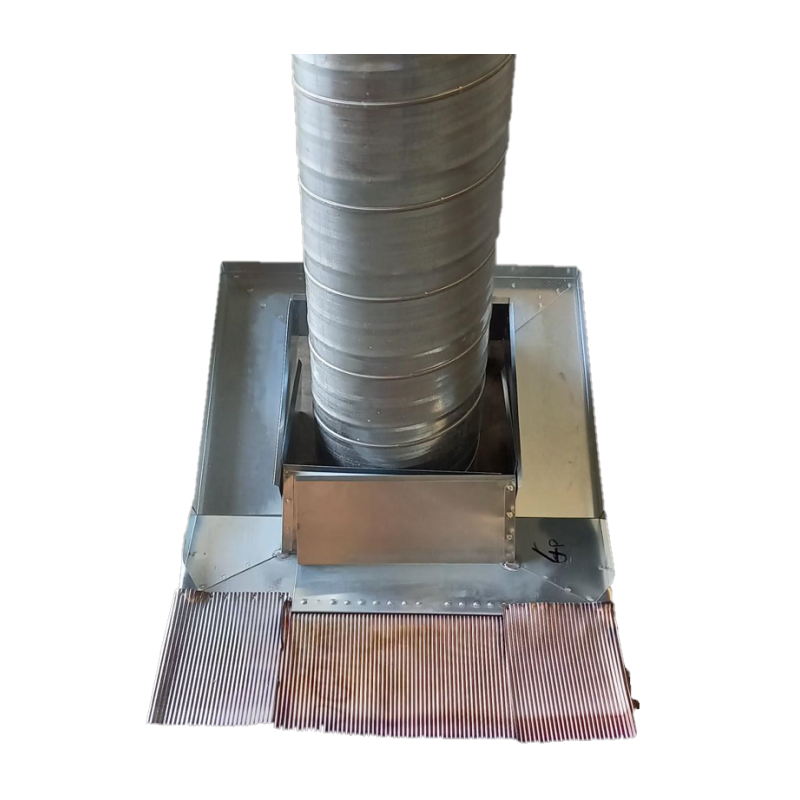
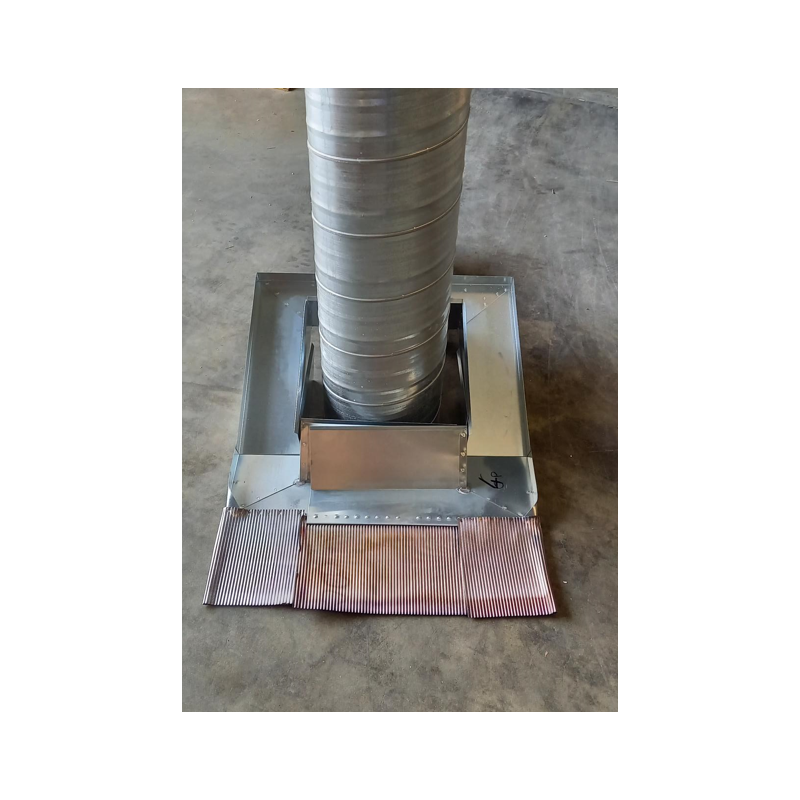
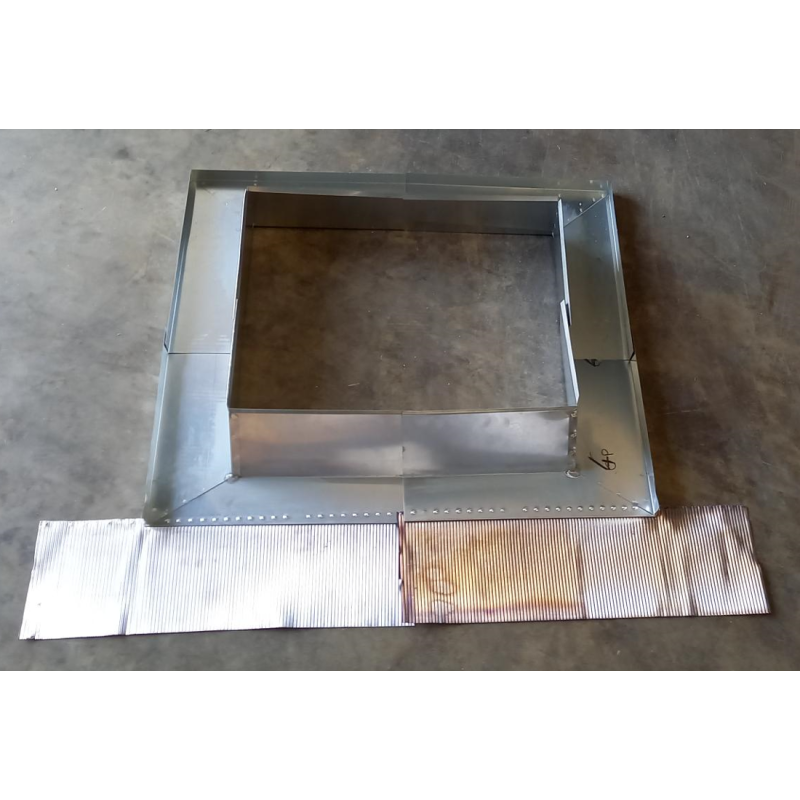
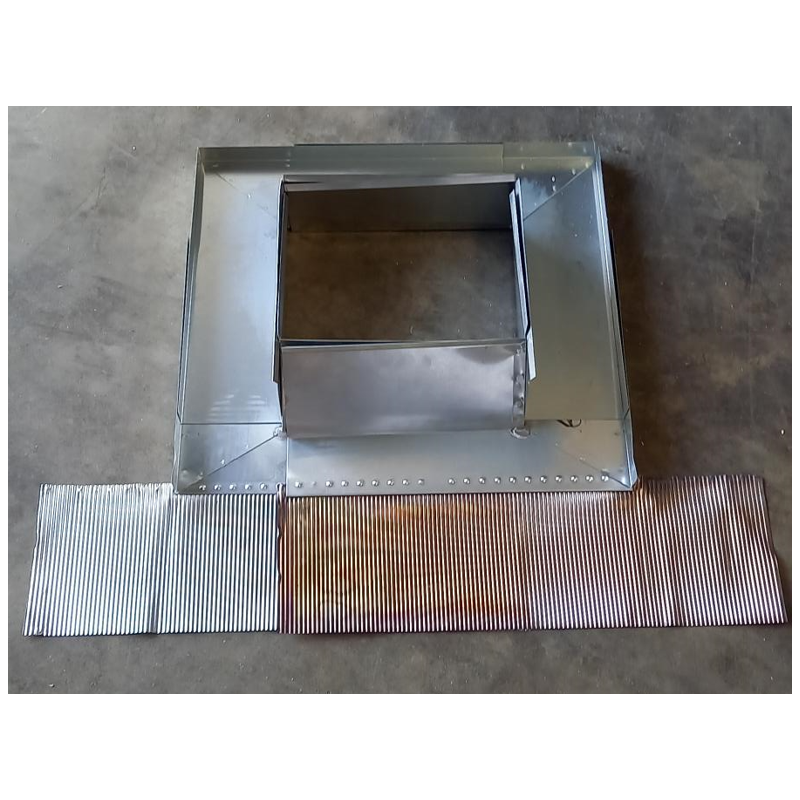
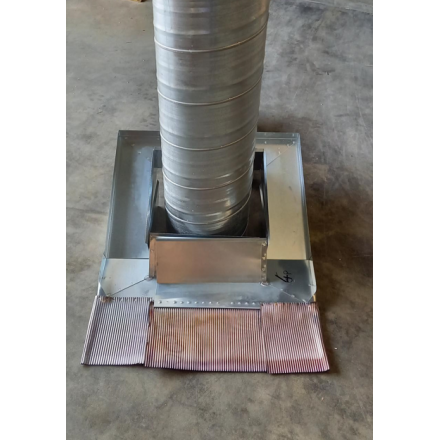
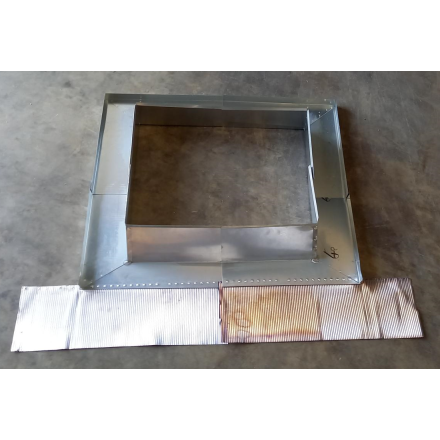
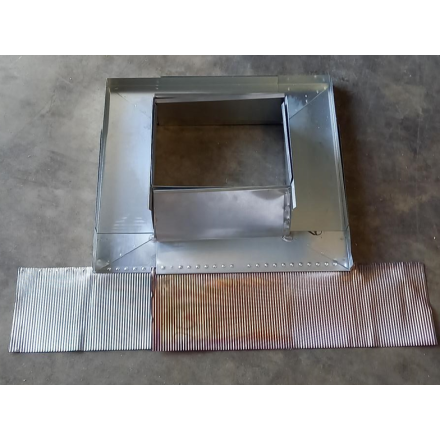
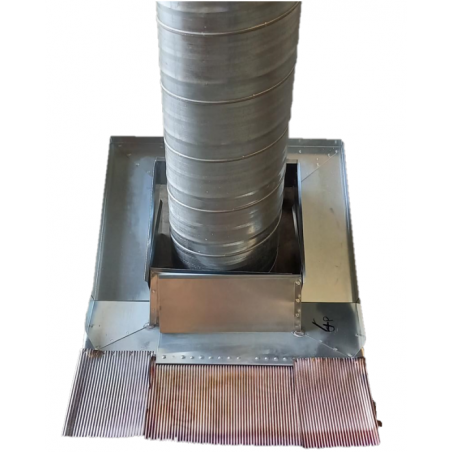
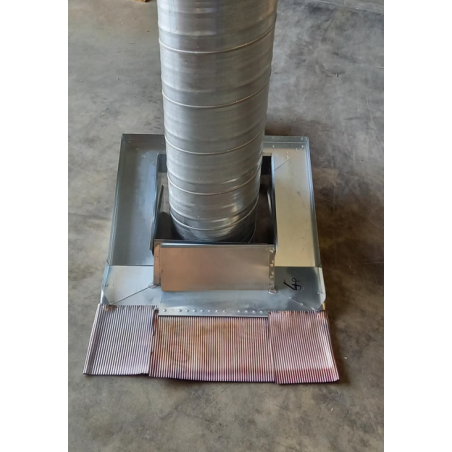
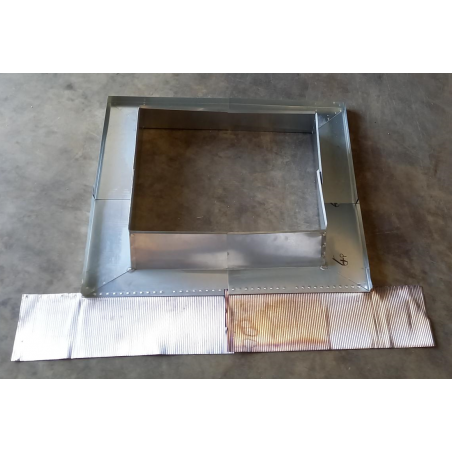
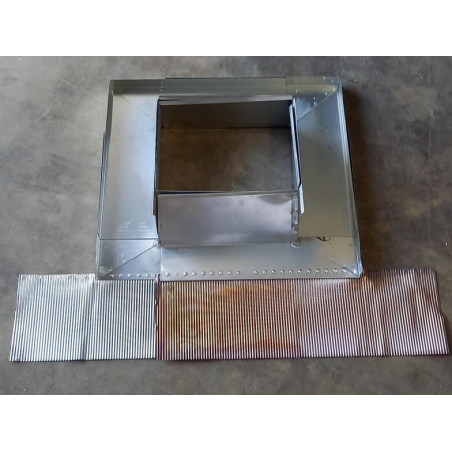
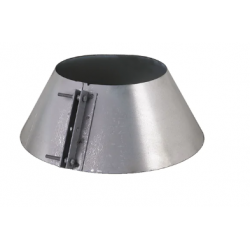
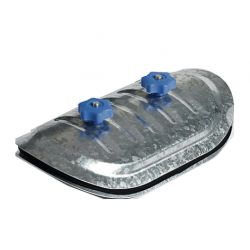
The roof flashing provides a weathertight seal where your ventilation duct exits the roof, for diameters from 250 mm to 500 mm, made from galvanised steel with a zinc plate.
 Fast delivery
 Advisers 5 days a week
 Payment in 3 or 4 instalments
The roof flashing is the sealing accessory that ensures a clean, leak-free passage for a ventilation duct through a pitched roof, for diameters from 250 mm to 500 mm. It's the part you won't see once fitted, but you'll be glad you chose a sturdy one the day of the first heavy rain.
| Specification | Value |
|---|---|
| Adjustable diameter | 250 mm to 500 mm |
| Construction | steel with zinc plate |
| Manufactured | Europe |
| Weight | 5 kg |
| Use | pitched roof |
This roof flashing is designed for pitched roofs, whether covered in tiles, slate or steel sheeting. The unit can be trimmed on site to match the cylindrical shape of your ventilation duct: this is a real advantage, as it avoids having to order a bespoke part for every diameter between 250 and 500 mm. The pitch angle and the roof covering affect the cut you'll need to make, so bear this in mind before fitting.
Fitting is carried out on a pitched roof, around the cylindrical duct already in place or being installed. Trim the flashing so it fits snugly around the diameter of your duct, then complete the seal with a bituminous flashing tape and a rain collar for extra protection against water ingress. The galvanised steel construction stands up well to weathering over time, but careful fitting remains key to a seal that lasts.
To complete the seal on your roof outlet, consider the galvanised steel rain collar, designed to be used alongside this roof flashing.
Looking for other accessories for your roof outlet or ventilation network? Browse our full range in the ventilation accessories category.
Product Details
You might also like
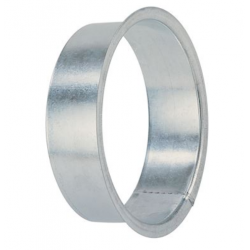
Galvanized flat connector (hood-to-duct connection)
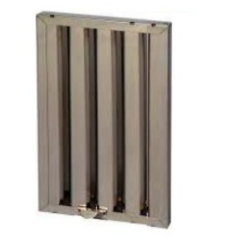
Half-size baffle filter: L 250 x H 400 x D 25 mm
Customers who bought this product also bought:
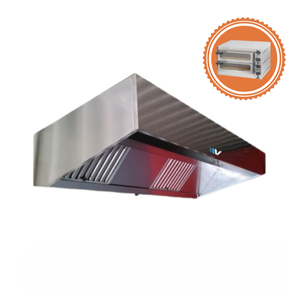
Commercial Rang Hood Special oven, 1–6 m, with a large 1.2 m hood
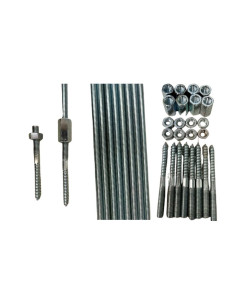
Commercial Rang Hood Installation Kit: Cabinet—Threaded rods and hardware
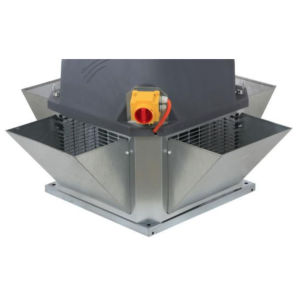
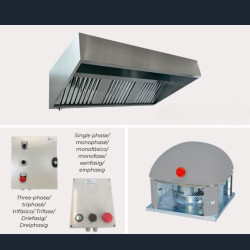
400° Package: 1.5–4 m Canopy + Roof Turret + Electronic variable speed drive
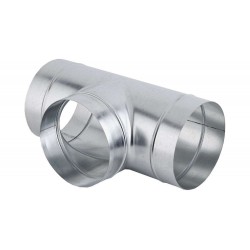
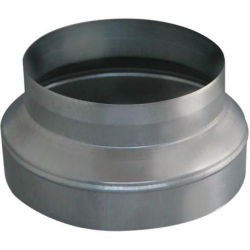
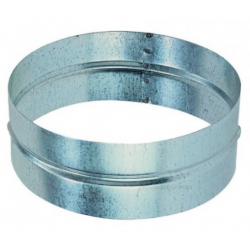
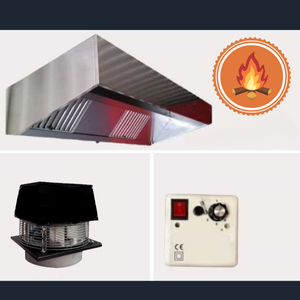
Commercial Rang Hood Pro 1–3 m Package + Wood-Burning Turret + Dimmer
These terms describe similar parts that provide a weathertight seal where a duct passes through the roof. On this page, the roof flashing covers diameters from 250 to 500 mm, can be trimmed to match the cylindrical shape of your duct, and is best completed with sealing tape and a rain collar.
Yes, that's exactly the point of this product: the roof flashing can be trimmed on site to fit the diameter of your ventilation duct, anywhere between 250 mm and 500 mm.
It's designed for pitched roofs, mainly tile or slate roofs. The unit needs to be adapted according to the pitch angle and the roof covering (tiles, slate, steel sheeting), so check these points carefully before fitting.
Yes, we recommend completing the installation with bituminous sealing tape and a rain collar, such as our galvanised steel rain collar, to reinforce protection against water ingress.
This depends on your overall ventilation network: extraction hood, duct length, elbows and required airflow. This flashing covers a range of 250 to 500 mm, to be chosen according to the diameter already set for your extraction system.