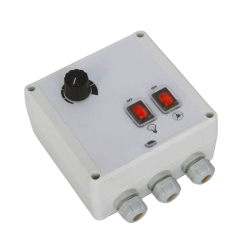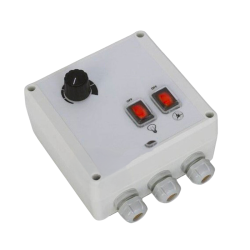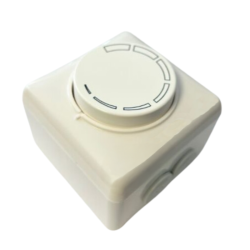
1.5A speed controller for the T11 turret or a small motor
3A PREMIUM Dimmer, Special 7/7 7/9 Model
Frequently asked questions
What is the difference between a speed controller and a speed switch for VMC?
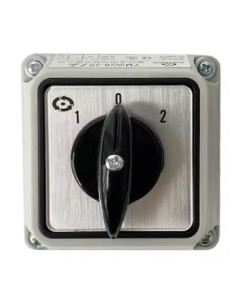
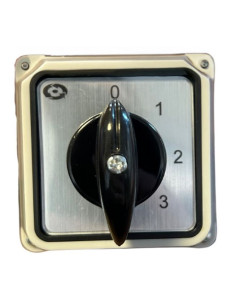
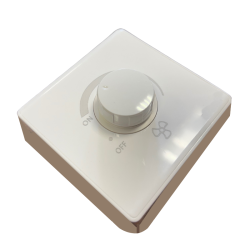
A fan speed controller for VMC progressively varies the voltage sent to the motor, allowing fine control of the airflow. A switch, such as the 2 or 3 speed switch, simply switches between the speed steps the motor is designed for, with no intermediate setting. The choice depends on the type of control your motor accepts.
What current rating of controller should I choose for my motor?
The permissible current rating of the voltage controller must be higher than that drawn by the motor, as shown on its rating plate. The range includes 1.5 A, 3 A and 5 A models in 230 V single phase, covering around 90% of VMC requirements. If in doubt, send us the voltage, power and current of the motor so we can check compatibility.
Will a voltage controller work with a three-phase motor?
No, the voltage controllers in this range are designed for 230 V single phase motors. A 400 V three-phase motor generally requires a dedicated variable frequency drive, which works on a different principle from a standard voltage controller.
Can the speed of a VMC motor be reduced significantly without risk?
Reducing the speed of a motor excessively and permanently, when it isn't designed to run at very low speed, can affect its cooling and trigger its thermal protection. This can also significantly shorten its service life.
Does the power supply need to be isolated before installing a VMC controller or switch?
Yes, a speed controller or switch must be installed with the power supply isolated, by a qualified professional. VentilSoGood supplies the equipment but does not carry out installation: surface or flush mounting is the responsibility of a qualified installer.