
Shopping Cart
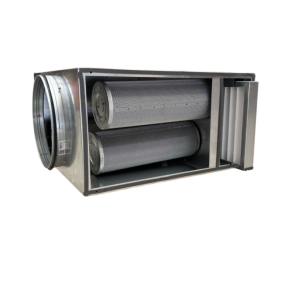
In stock
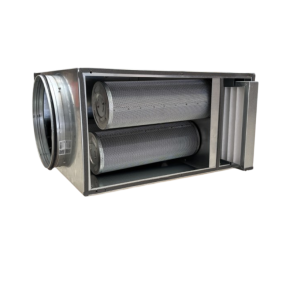
PERFORMANCE Filter Housing with 6 Odor-Removing Carbon Cartridges
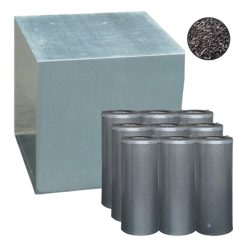
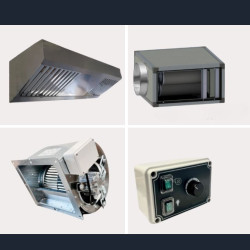
COMPACT ANTI-ODOR RANGE HOOD PACKAGE (1–2 m short range hood + motor + charcoal filter...
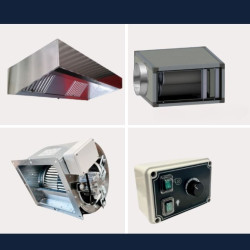
CLASSIC ANTI-ODOR PACKAGE: 1–2.5 m stainless steel range hood + motor + charcoal filter...
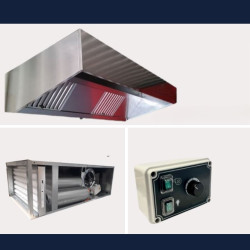
CLASSIC ANTI-ODOR Range Hood Package: 1–4 m range hood + charcoal filter unit with...
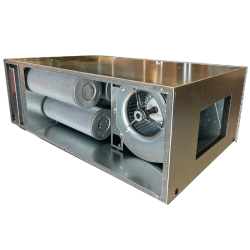
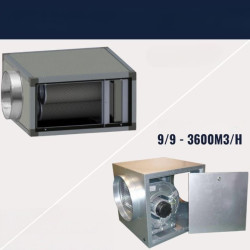
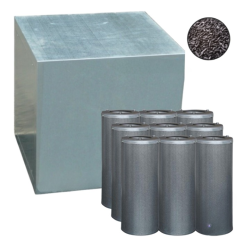
Pack of 6 odor-control carbon cartridges + 9/9 motor housing
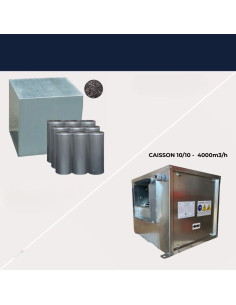
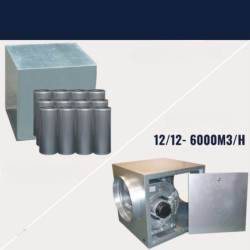
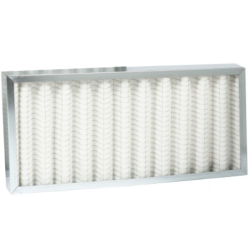
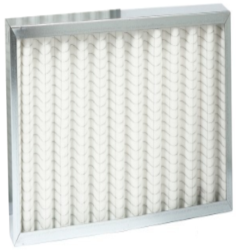
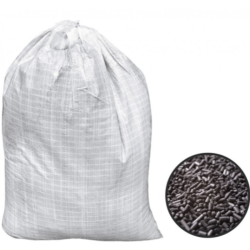
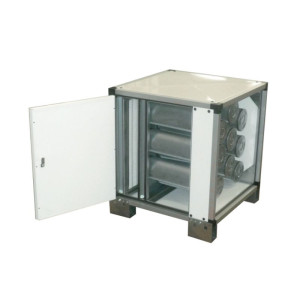
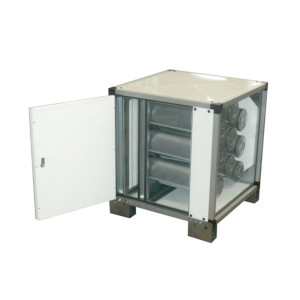
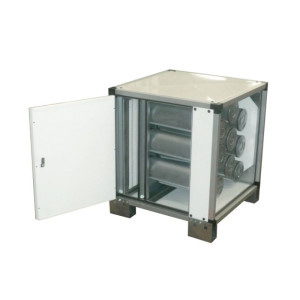
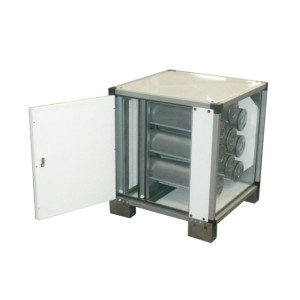
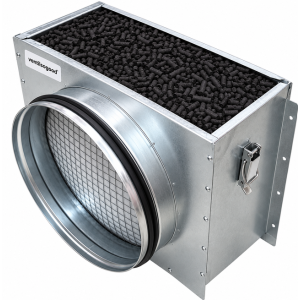
A standard extraction hood sends air straight outside through a duct. A charcoal-filtered range hood adds a box of activated carbon cartridges that filters odours and grease before the air is discharged, through a wall or roof outlet. This is a requirement for commercial kitchens (air is returned to the room only in domestic use).
Yes, for all commercial kitchens, large or small: the carbon box is fitted remotely on the existing duct run, and the filtered air is still discharged outside through a wall or roof outlet, for hygiene reasons. A setup without outside ducting (recirculating hood) is reserved for domestic, home use only.
Yes, if it's correctly sized and maintained. The activated carbon filter traps odour molecules from cooking, a real benefit for restaurants without a roof outlet, such as takeaways, Asian kitchens or kebab shops. Its effectiveness depends on choosing the right number of cartridges for the intensity of cooking, plus regular maintenance, as carbon loses its filtering power over time.
A neutral box, without a motor, is suitable if your hood already has a double-inlet centrifugal fan or a remote motor such as a motorised box or roof fan: the box simply filters the air. Check that your existing motor is powerful enough first. A motorised carbon box, like our 9 or 12 cartridge 230V models, simplifies installation by combining filtration and ventilation in one unit.
The number of cartridges depends on hood length and how intensive the cooking is. Our standalone box range runs from 5 cartridges (Base box) to 48 cartridges (CH48 box, 14,400 m³/h): the greasier the kitchen's output, the more cartridges you need to keep the air clean throughout service. For example: a 1 metre hood needs 5 cartridges, a 2 metre hood needs 6, a 3 metre hood needs at least 9.
Yes, as long as extracted air is still discharged outside even after carbon filtration, which suits small kitchens such as takeaways, kebab shops, Asian kitchens or fried food outlets well. An open kitchen with more than 20 kW of cooking appliances usually falls under an F400/120 smoke extraction requirement, which is not compatible with an activated carbon box (except by special exemption).
Activated carbon in the cartridges is generally replaced after around a year, depending on how intensively your kitchen is used. The box's G4 filter should be cleaned every quarter (and replaced annually), and the hood filters cleaned at least once a week to limit duct fouling. Budget roughly £250 a year for this.