
Shopping Cart
In stock
Galvanized flat connector (hood-to-duct connection)
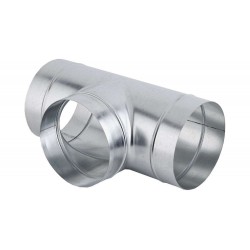
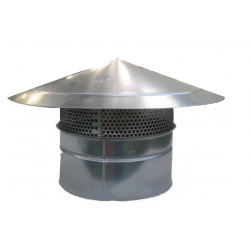
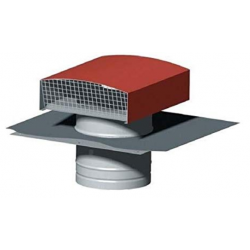
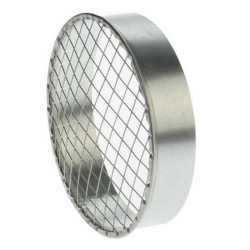
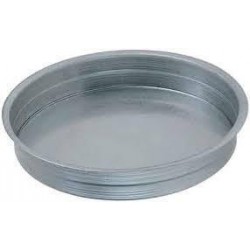
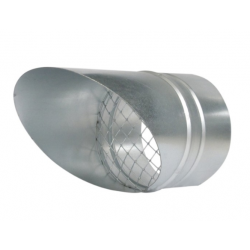
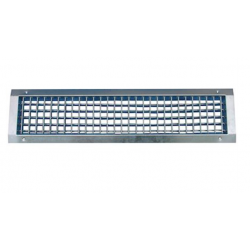
Wire-mesh whistle with horizontal outlet
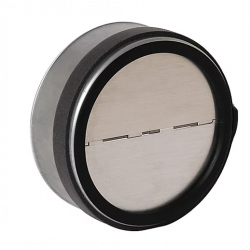
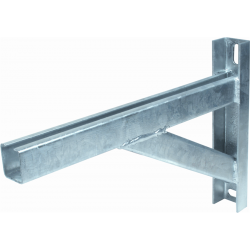
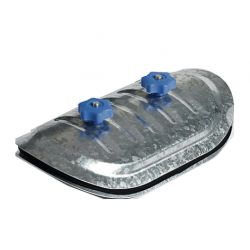
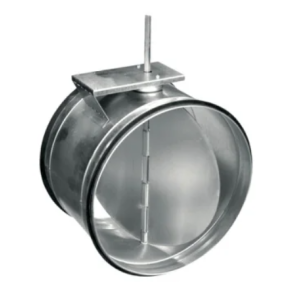
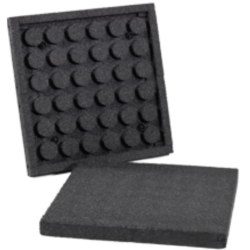
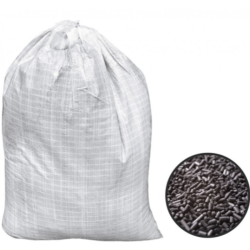
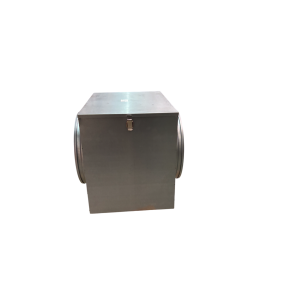
G3 Filter Housing for Circular Ducts (Supply and Exhaust)
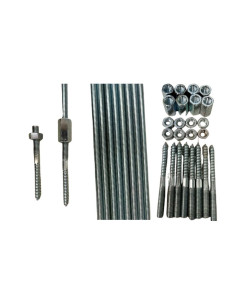
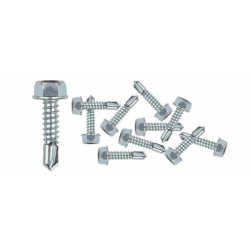
Commercial Rang Hood Installation Kit: Cabinet—Threaded rods and hardware
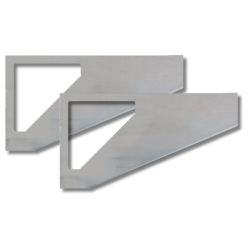
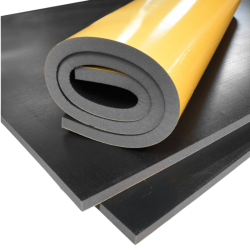
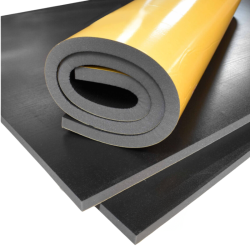
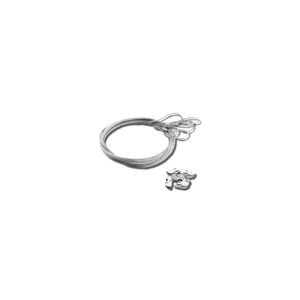
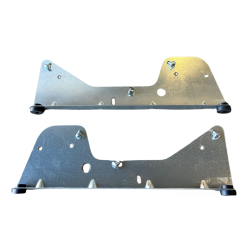
Support feet for worm gear motor with screws and silent blocks
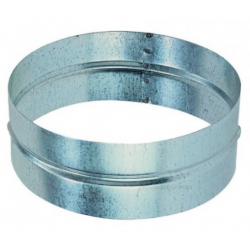
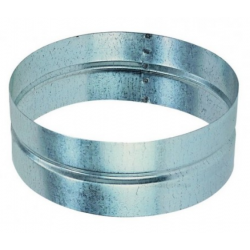
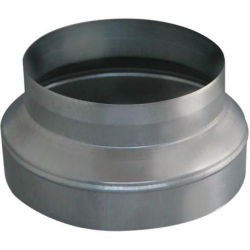
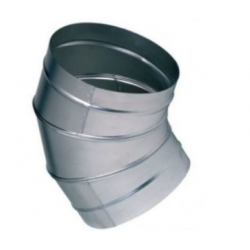
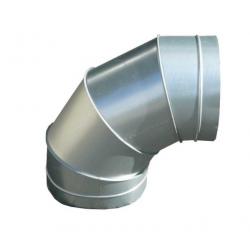
In this range, the galvanised male coupling fits between 2 tubes, while the galvanised female coupling is more of a mini tube, used to connect two parts such as a spigot and an elbow, or a collar plate and a reducer. The choice depends on the configuration of the parts already in place on your network: always check which end needs to fit into the other before ordering.
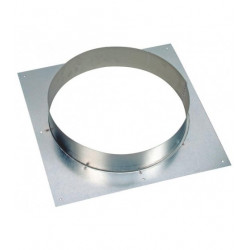
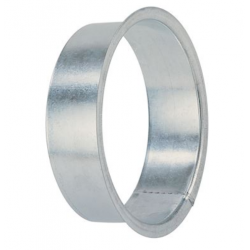
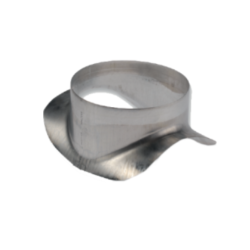
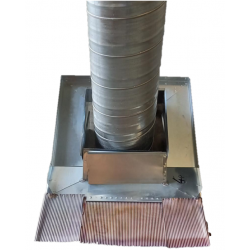
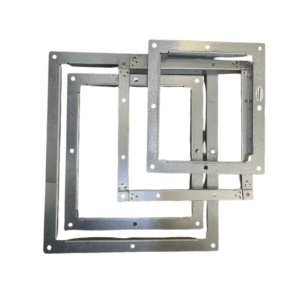
Two solutions exist in this range for the hood to duct connection: the galvanised collar plate, which fixes directly at the hood outlet (the simple and quick option), and the galvanised flat spigot (cheaper to buy but requires careful cutting), designed for the same connection. The choice depends on your DIY skills and your budget.
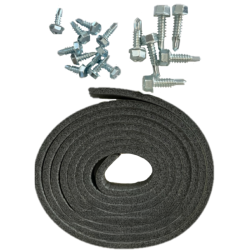
The motor fitting kit in this range includes a gasket and fixings, used to fix a double-inlet centrifugal fan onto its fan box or support. It's used when installing or replacing a motor, to ensure a proper fixing and a good seal at the connection point.
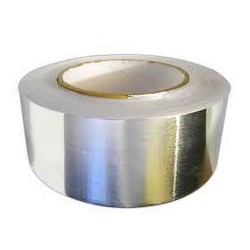
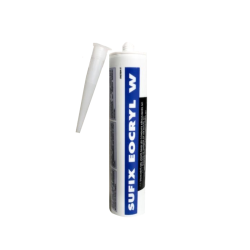
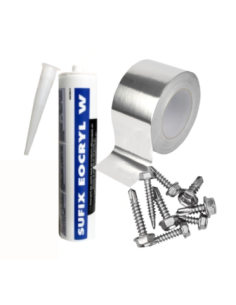
To assemble two galvanised parts (elbow, coupling, spigot), the sealant cartridge for ductwork and/or the aluminium tape in this range let you add a seal at the joints on top of the mechanical assembly. The choice between the two depends on the layout of your network and the type of joint to be treated.
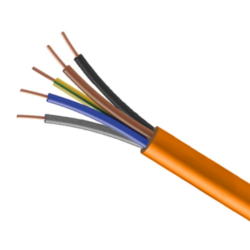
These two products carry the F400/120 smoke extraction rating. Regulatory requirements vary depending on the type of premises and the project: always check the exact standard required by your building control officer before treating this information as final.