Shopping Cart
In stock
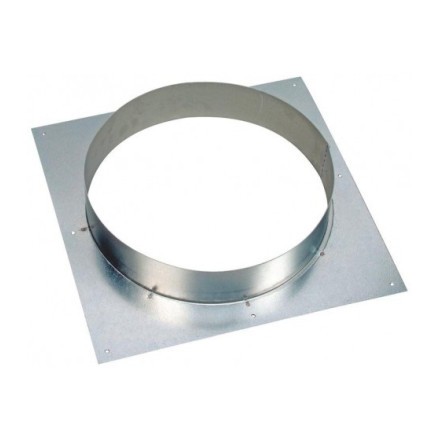
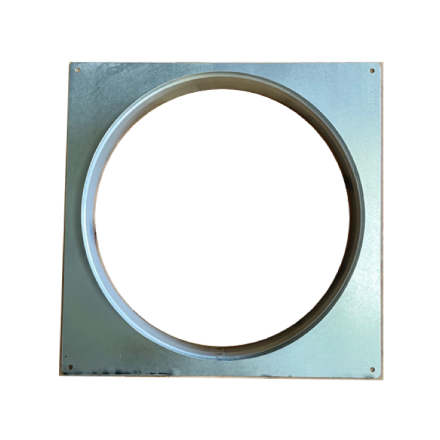
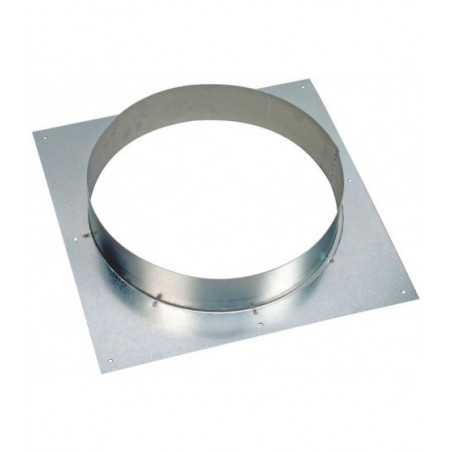
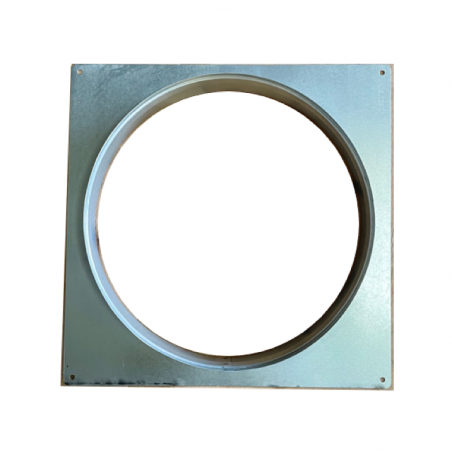
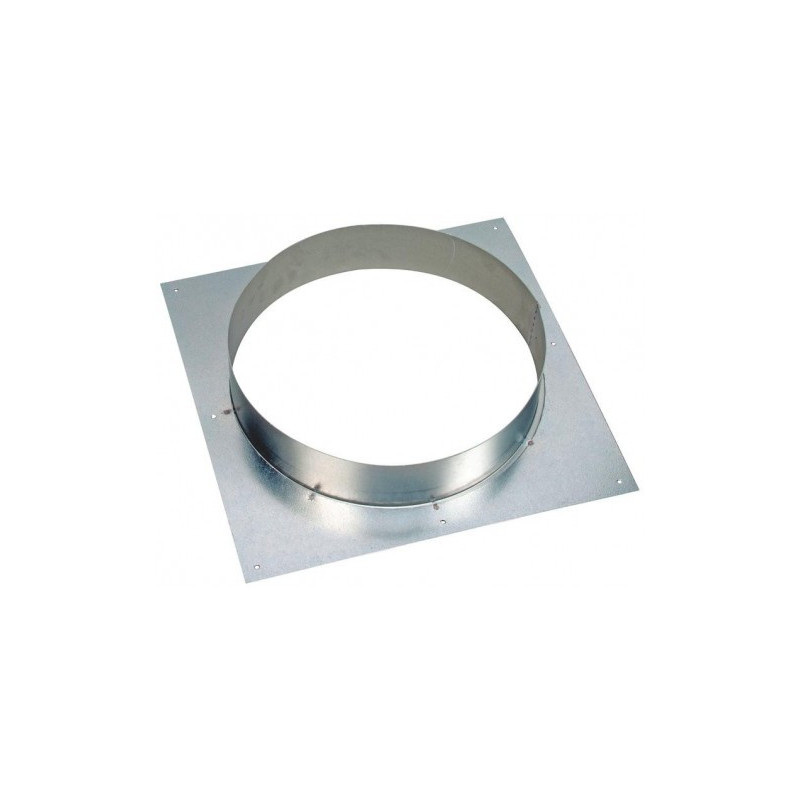
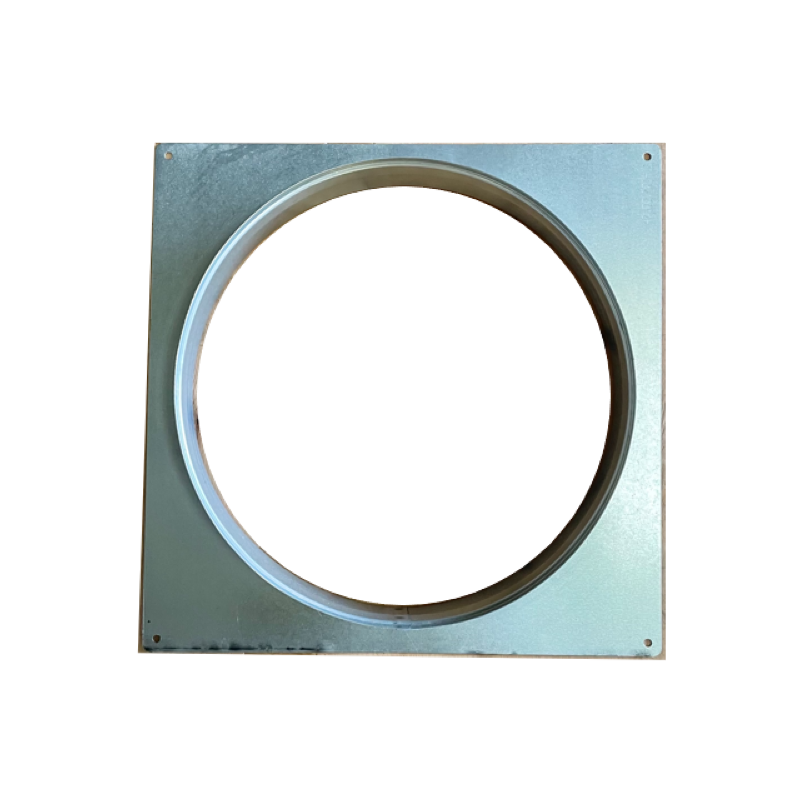
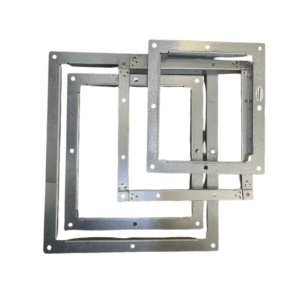
The galvanized ferrule plate creates a hood outlet or an extraction fan box inlet/outlet in minutes, from D160 mm to D630 mm. Its adjustable frame absorbs drilling margin for error and can even cover an existing larger diameter.
 Fast delivery
 Advisers 5 days a week
 Payment in 3 or 4 instalments
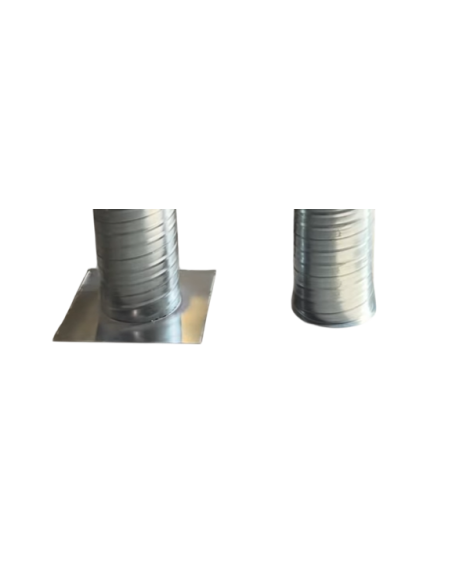
The galvanized ferrule plate is a male galvanized steel spigot with a wide square flange that lets you create a hood outlet or an inlet/outlet on an extraction fan box, available in 10 diameters from 160 to 630 mm. Made in France, it fits quickly and allows a good margin for error when drilling (can be trimmed to size).
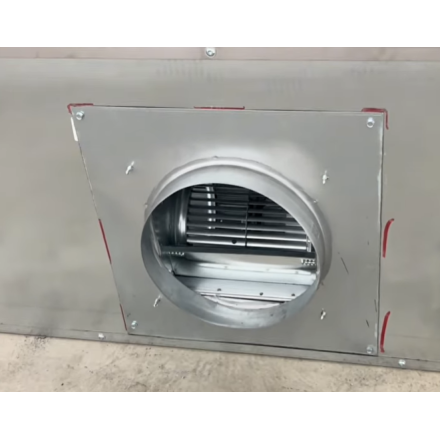
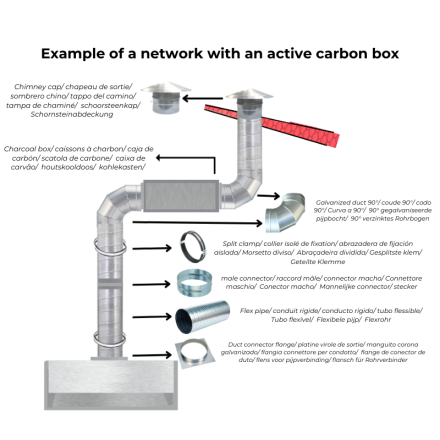
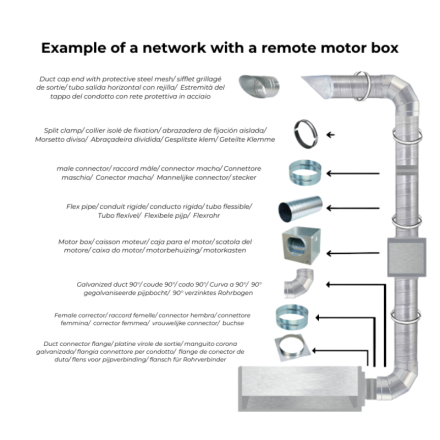
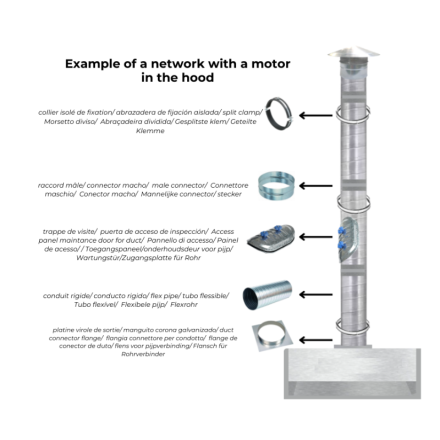
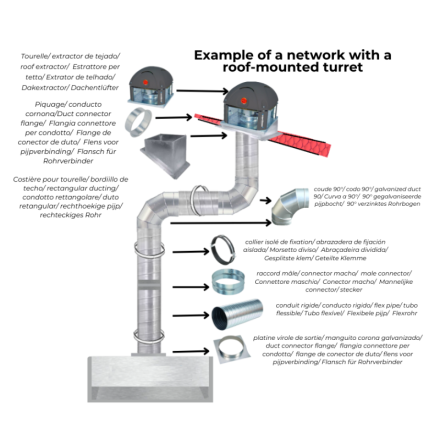
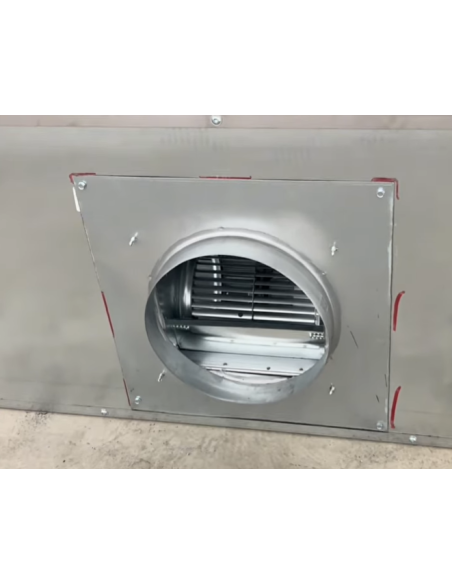
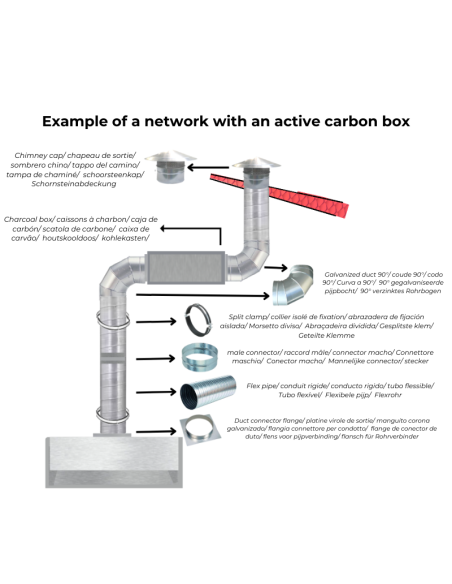
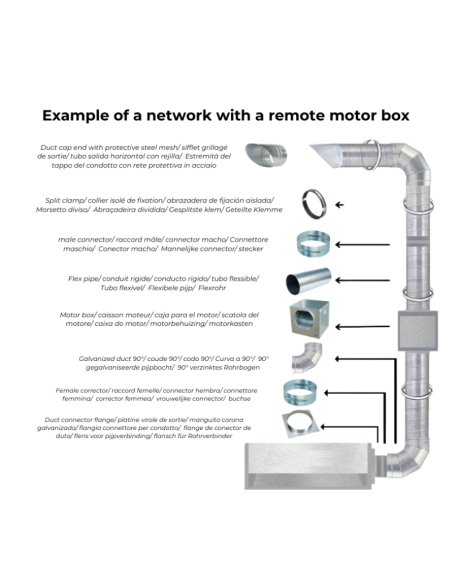
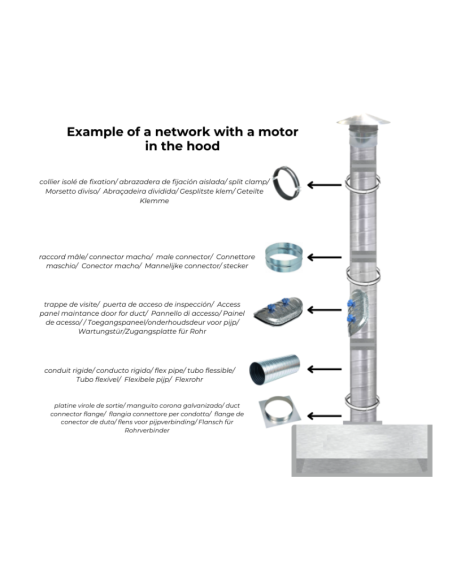
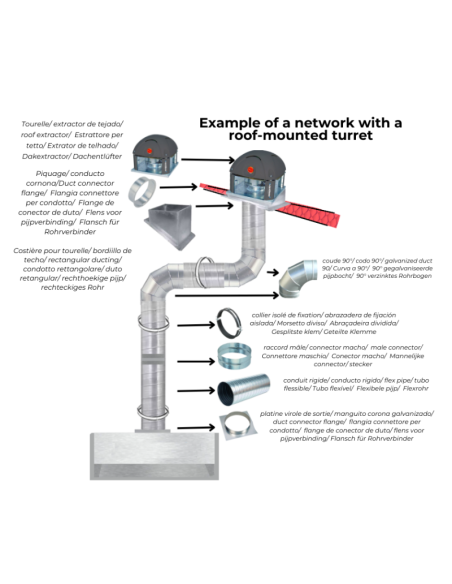
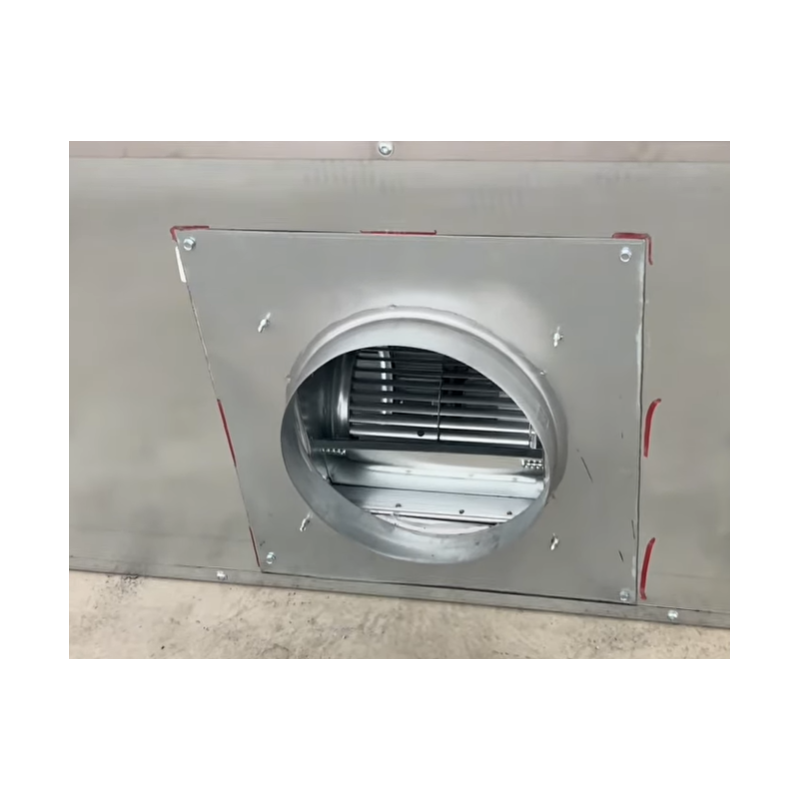
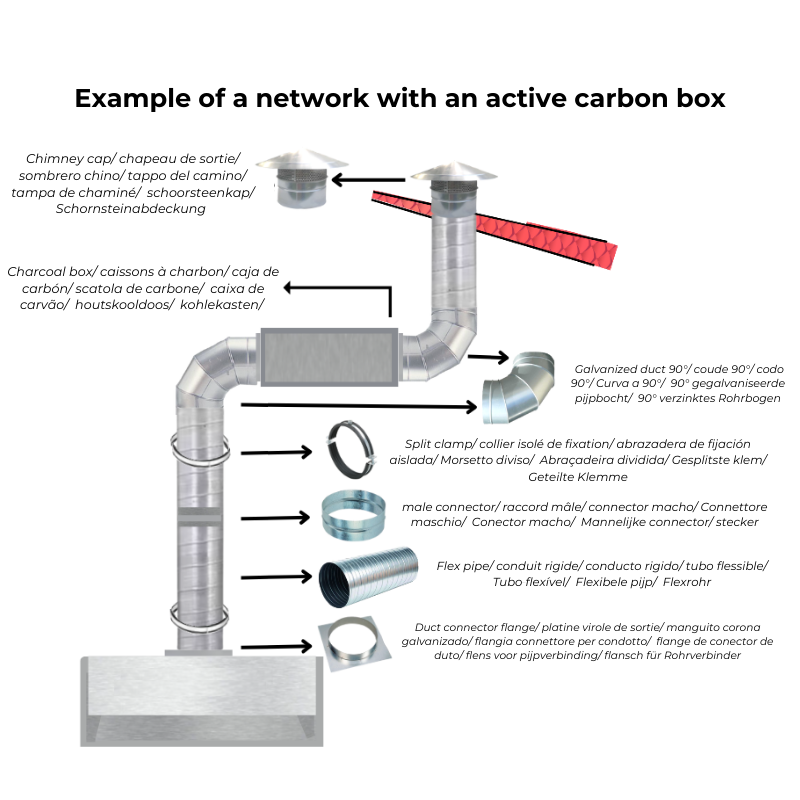
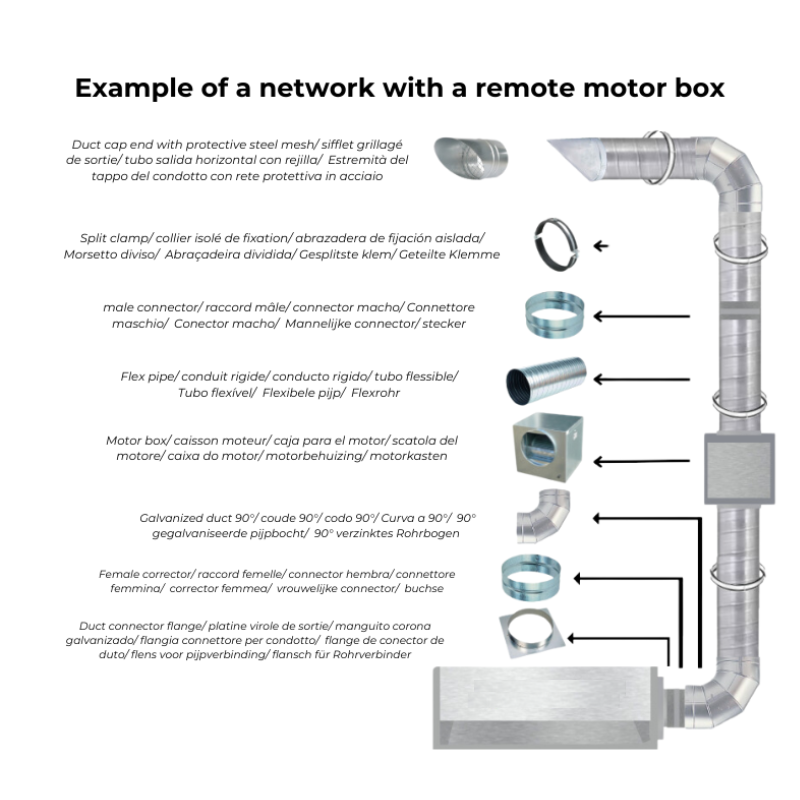
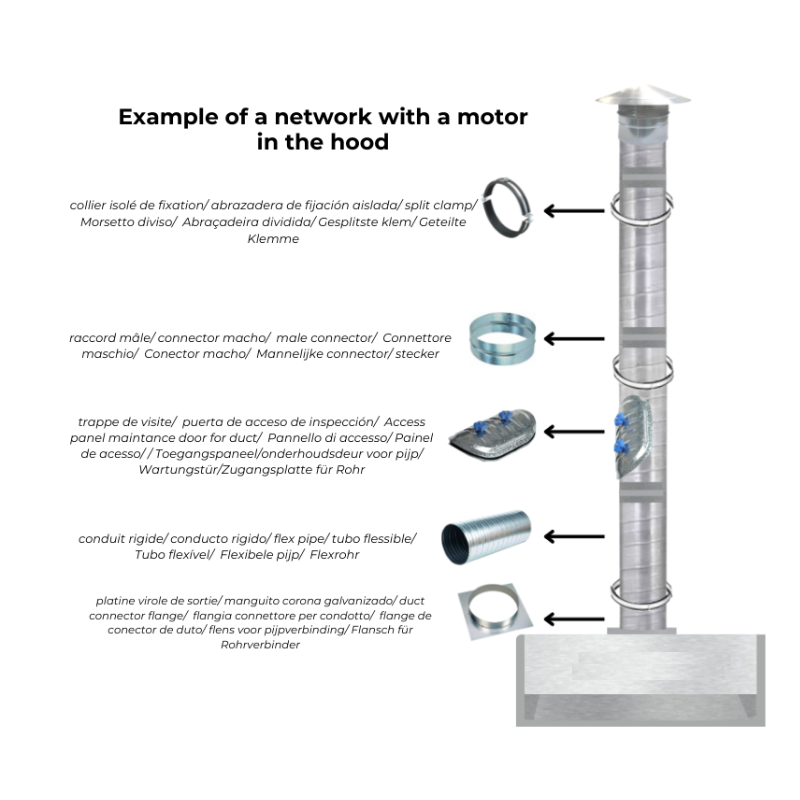
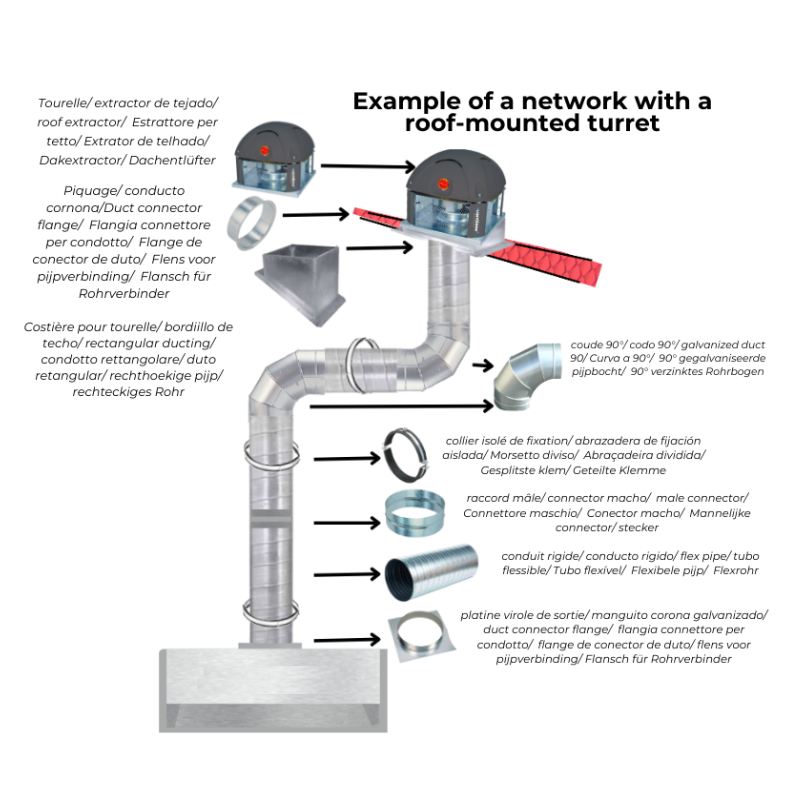
In practice, the ferrule plate links your commercial kitchen hood (or extraction fan box) to the ductwork. It is a male fitting: the spigot fits into the duct, while the plate (the flat frame around it) is fixed to the sheet metal of the hood or fan box. This frame is easy to adjust and fix in place, which allows for a hole that is not perfectly centred, a real advantage when working on an existing installation. It can also cover an already larger drilled diameter, handy when replacing a motor or fan box without having to redo the whole cut out.
| Characteristic | Value |
|---|---|
| Product type | Spigot / ferrule with plate |
| Material | Galvanized steel |
| Manufacture | Made in France |
| Available diameters | 160, 200, 250, 315, 355, 400, 450, 500, 560, 630 mm |
| Connection type | Male (spigot fits into the duct) |
| Package weight | 2 kg |
Simple, sturdy and built to last: the galvanized ferrule plate remains an economical and reliable solution for connecting your ventilation ductwork cleanly.
Product Details
You might also like
Customers who bought this product also bought:
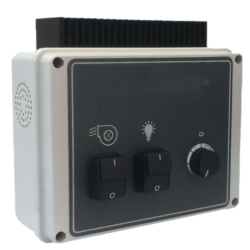
8A 230V Voltage Regulator for Professional Range Hood Motors 9/9 and 10/10
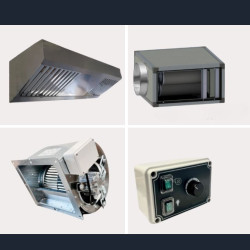
COMPACT ANTI-ODOR RANGE HOOD PACKAGE (1–2 m short range hood + motor + charcoal filter...
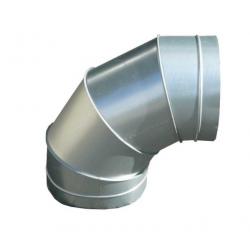
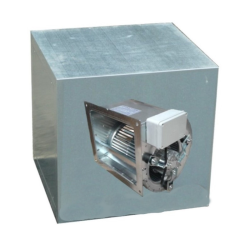
7/7 Exhaust Unit - 1,500 / 2,200 m³/h for commercial range hoods or mechanical...
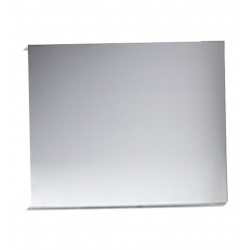
Stainless Steel Cover Plate (L500 x H400 x D25 mm) for Range Hood
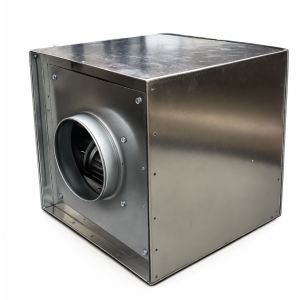
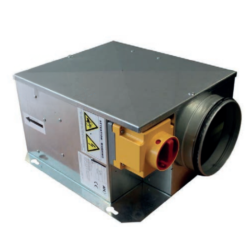
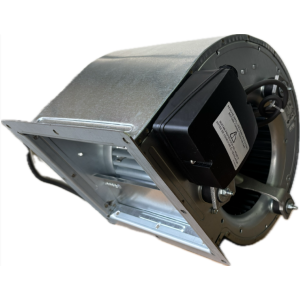
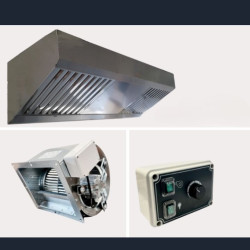
COMPACT ECO 1–2 m Range Hood Package: range hood + motor + 220V speed controller
The diameter should match your existing duct, or be chosen based on the airflow required for your installation. As actual airflow also depends on the ductwork (length, elbows, pressure losses), it is best to check the full sizing before ordering rather than relying on diameter alone.
The ferrule plate combines a male spigot (the part that fits into the duct) with a flat frame that is fixed to the hood or fan box. This frame allows for a margin of error when drilling and can cover a larger existing diameter, which a flat spigot alone does not always allow.
This depends on your installation and the vibrations to be absorbed between the motorised fan box and the rigid ductwork. The ferrule plate provides the mechanical connection, but adding a flexible connector remains a choice to be made according to your setup and installation constraints.
The plate's frame is positioned on the sheet metal of the hood or fan box at the drilled location, then sealed and finally fixed with small self drilling screws (see our sealing and fixing kits). Its design allows for slight drilling inaccuracy, which makes installation easier even on an existing setup.