
Shopping Cart
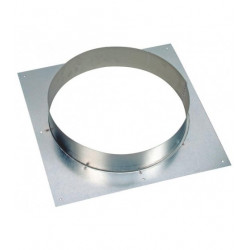
In stock
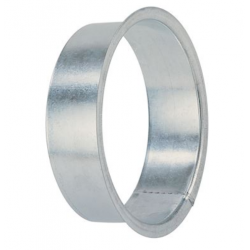
Galvanized flat connector (hood-to-duct connection)
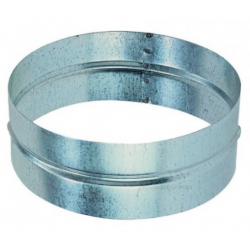
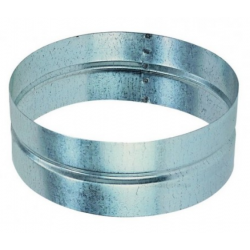
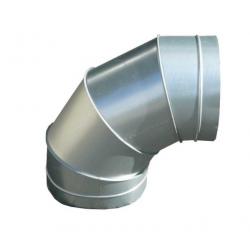
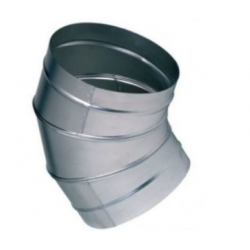
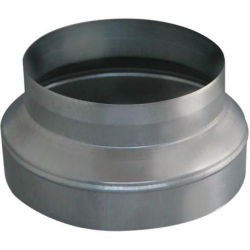
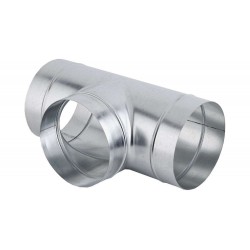
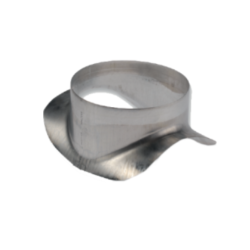
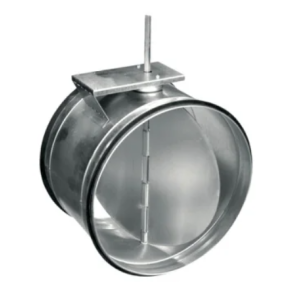
Both are used to start a network from a hood or fan box, but the collar plate has a wider, more rigid base, better suited to supporting the weight of the duct and the airflow directly at a fan box outlet. It is strongly recommended at a hood outlet fitted with a double-inlet centrifugal fan, as it makes cutting and sealing the assembly easier. The flat spigot is suitable for a lighter connection between the hood and the duct.
The flat spigot is a male part: to fix an elbow or another network part onto it, you need a matching female connector. Always check the male/female orientation of each end before assembling your duct fittings network.
Every elbow, reducer or diameter change adds pressure loss and reduces the actual available airflow. Favour the most direct route possible, limit the number of elbows and reducers, and check the sealing of each joint with suitable clamps and seals.
Fixing is done via a flat spigot, a circular spigot or a collar plate depending on the outlet configuration, combined with the male or female connector matching the duct diameter. The collar plate is recommended when the duct is heavy, the airflow is significant, or when the outlet is fitted with a double-inlet centrifugal fan.
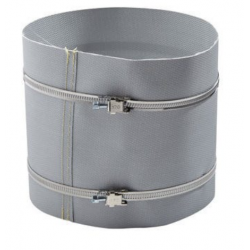
The flexible connector is mainly fitted at the inlet and outlet of a motorised fan box. It limits the transmission of motor vibrations to the rest of the network and makes maintenance of the fan box easier, as it allows it to be disconnected without dismantling all the rigid ductwork.