
Shopping Cart
In stock
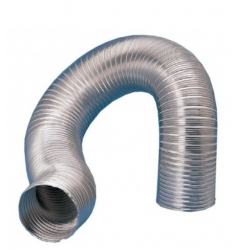
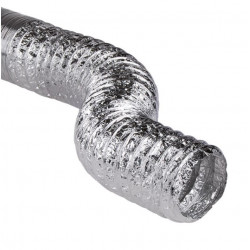
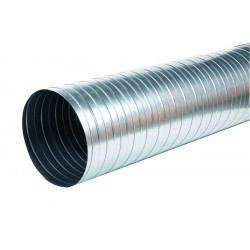
10-meter flexible duct for mechanical ventilation
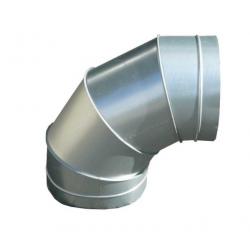
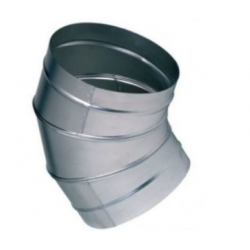
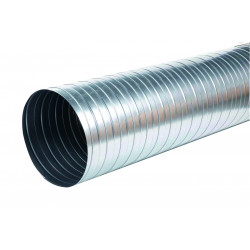
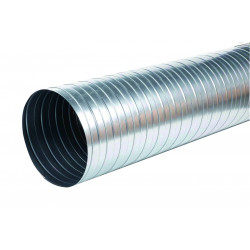
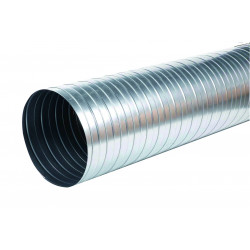
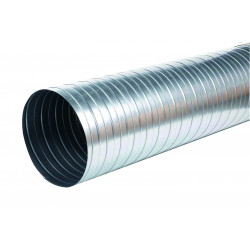
The diameter depends on the target extraction rate and the network (length, elbows). As a guide: Ø160 suits around 800 m³/h, Ø200 around 1,200 m³/h, Ø250 around 1,800 m³/h, Ø315 around 3,000 m³/h. These reference points should be adjusted based on the actual pressure losses in your installation. A diameter that's too small increases noise and pressure losses.
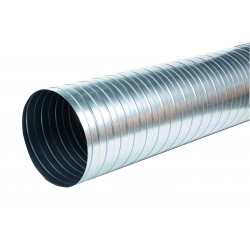
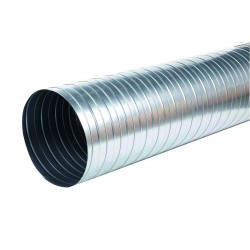
Rigid spiral ducting is the sturdiest, suited to the main network of a commercial kitchen hood. Semi-flexible ducting (3 metres) is useful for a section that needs to work around an obstacle. Flexible hose (10 metres, for mechanical ventilation) is intended for short connections in commercial ventilation, not the main network of a kitchen with heavy grease loading.
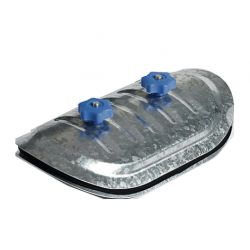
An inspection hatch makes it much easier to access the duct for cleaning and maintenance, essential on a commercial kitchen network that gets dirty over time. Position it somewhere accessible on the network, particularly near changes of direction or hard to reach areas.
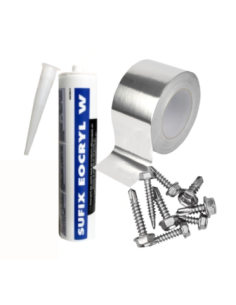
The nut, bolt and sealing kit secures the joints between sections of galvanised ductwork and limits air leaks at the joints. Check compatibility with your duct diameter before ordering, as a poorly sealed joint reduces actual airflow at the outlet of the network.