
Shopping Cart
- On sale!
In stock
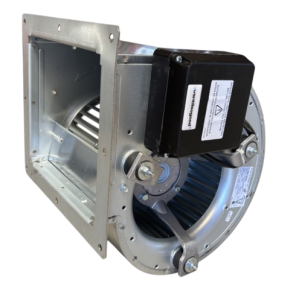
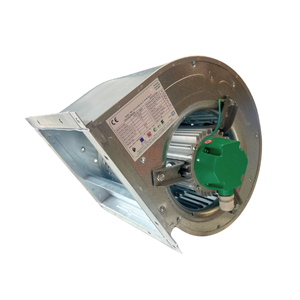
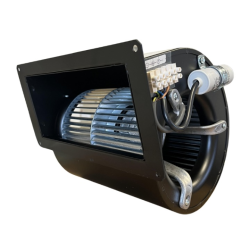
Centrifugal Fan for DD 77 commercial range hood - 1,850 m³/h Tecnifan
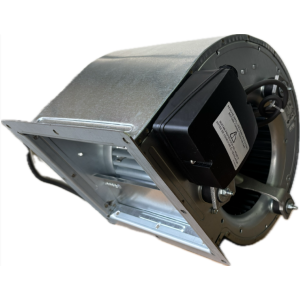
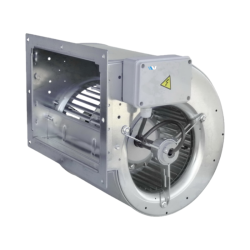
Centrifugal Fan DDM7/7 - 1,700 m³/h 147 W Nicotra Regal
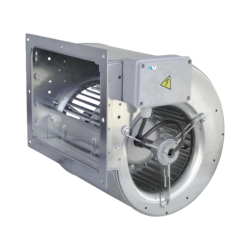
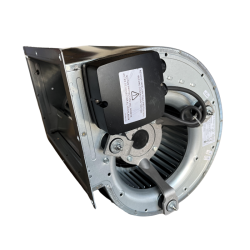
Centrifugal Fan DD7/9 - 2,600 m³/h S&P Compatible with all range hoods - 230 V
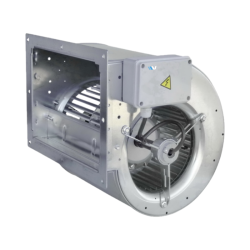
Centrifugal Fan DDM7/9 - 2,700 m³/h Nicotra Regal Compatible with all range hoods - 230 V
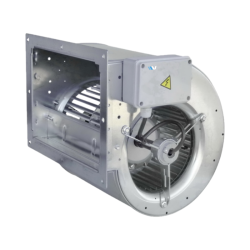
Centrifugal Fan DDM 8/9-9/9R – 3,000 m³/h Nicotra CMC for all commercial range hoods
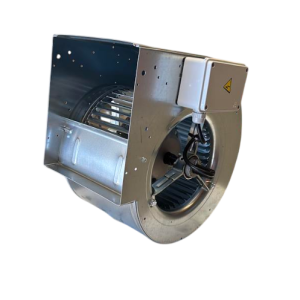
Centrifugal Fan DDM 9/7 25/19 - 2,900 m³/h - 230 V Nicotra Regal
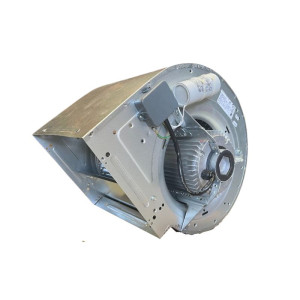
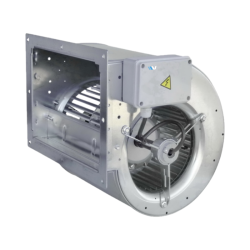
Centrifugal Fan DDM9/9 - 3,600 m³/h, 220 V, Nicotra Regal
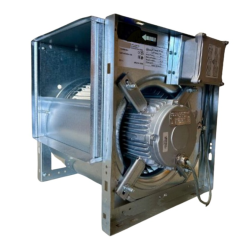
Centrifugal Fan DD9/9 - 3,600 m³/h - 400°/2h - 230 V Sodeca
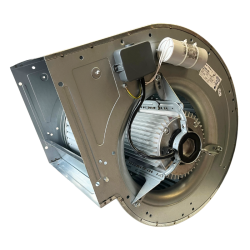
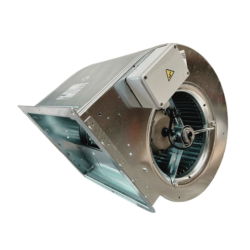
Centrifugal Fan DDM10/10 - 4,000 m³/h - 550 W - 230 V Nicotra Regal for enclosure
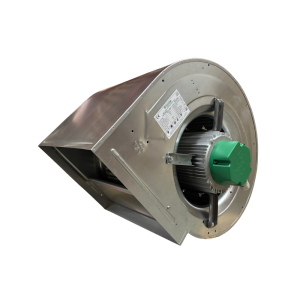
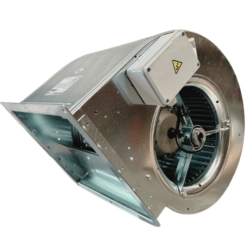
Centrifugal Fan DDM12/12 - 6,000 m³/h - 230 V Nicotra Regal
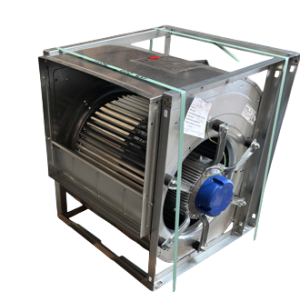
Centrifugal Fan DD15/15 – 9,000 m³/h – 380 V Enclosure Sodeca
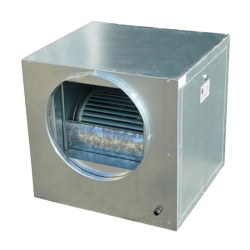
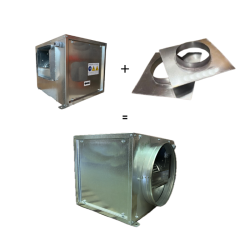
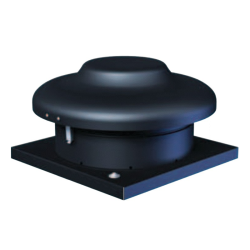
Roof fan T11 exhaust fan - 1,100 m³/h - 220 V
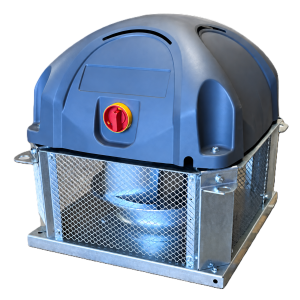
Roof fan T32 TRI extraction system, 2,000 m³/h, 400°/2h
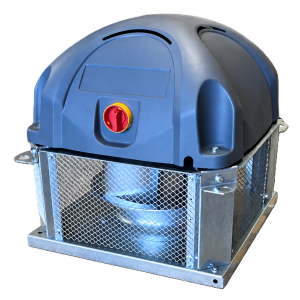
Roof fan T32 exhaust fan - 2,000 m³/h - 230 V - 400°/2h
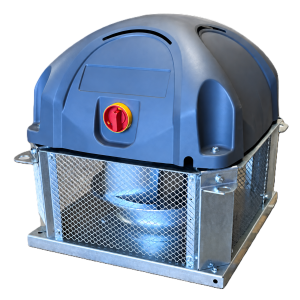
Roof fan Exhaust fan T36 - 2,750 m³/h - 230 V - 400°/2h
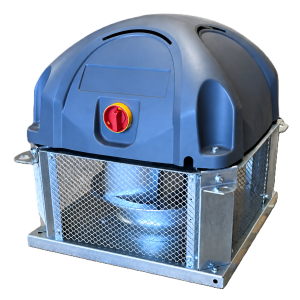
Roof fan T36 exhaust fan - 2,750 m³/h - TRI - 400°/2h
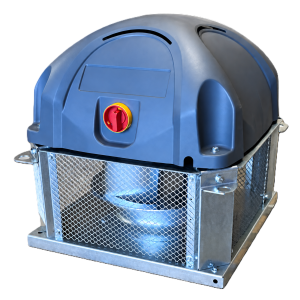
Roof fan T40 exhaust fan - 4,200 m³/h - 230 V - 400°/2h
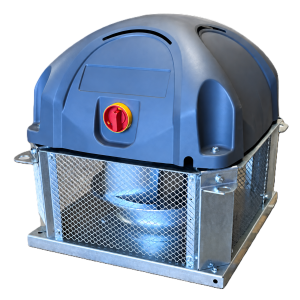
Roof fan T40 exhaust fan - 4,200 m³/h - TRI - 400°/2h
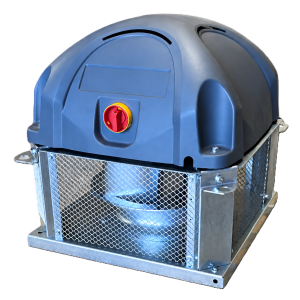
Roof fan Exhaust fan T45 - 5,200 m³/h - 230 V - 400°/2h
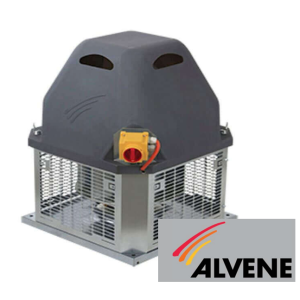
Roof fan ALVENE EMMOS45 Roof Unit - 5,400 m³/h - 220 V - F400
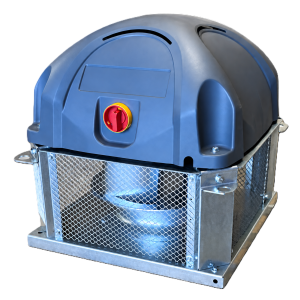
Roof fan T45 extraction fan - 5,200 m³/h - TRI - 400°/2h
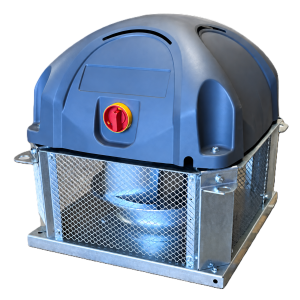
Roof fan T50 exhaust fan - 7,500 m³/h - TRI - 400°/2h
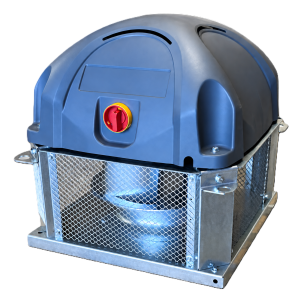
Roof fan T63 6T extraction system - 10,000 m³/h - TRI - 400°/2h
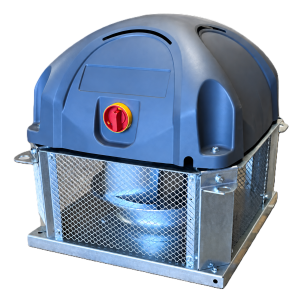
Roof fan T71 6T extraction system - 14,000 m³/h - TRI - 400°/2h
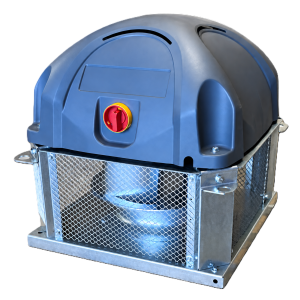
Roof fan T71 4T exhaust system - 22,000 m³/h - TRI - 400°/2h
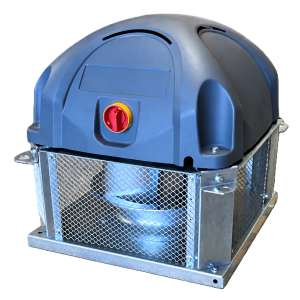
Roof fan T63 4T extraction system - 14,000 m³/h - TRI - 400°/2h
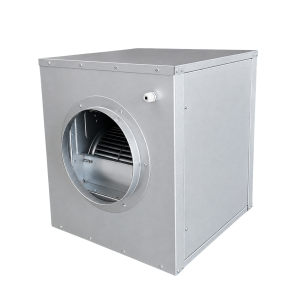
Soundproofed Motor Enclosure REFERENCE: 2100 m³/h, 220 V
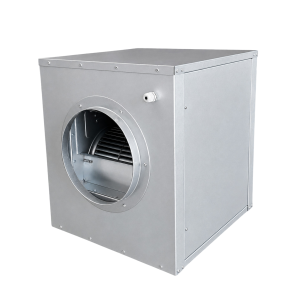
Motor Enclosure REFERENCE: 3,500 m³/h, soundproofed, 230 V
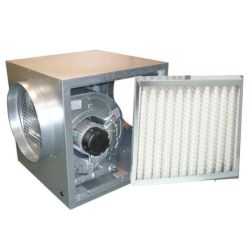
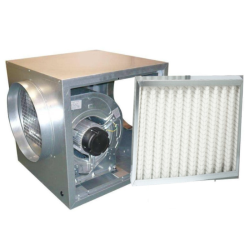
Air Injection Unit with G4 Filtration, 3,400 m³/h - 220 V
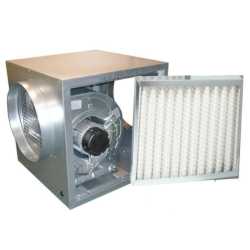
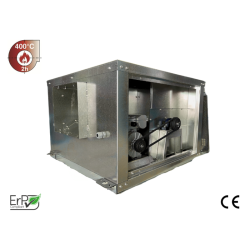
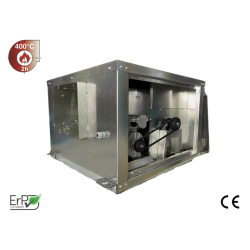
Compact Turbine Housing 10/10, 1.1 kW, 4,000/5,500 m³/h, 220 V, F400/120
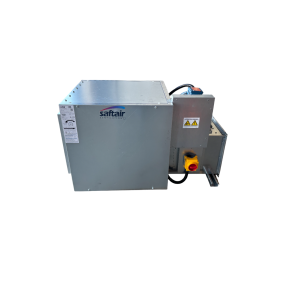
SAFTAIR Motor Housing SAFTAIR 2,500/4,500 m³/h 400° TRI
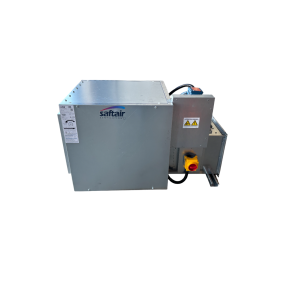
SAFTAIR Motor Housing 5,000/8,000 m³/h 400° TRI
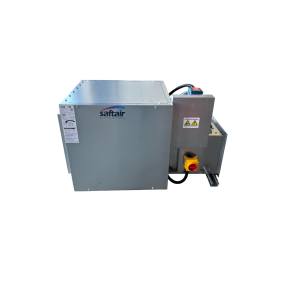
SAFTAIR Motor Housing 5,000/13,000 m³/h 400° TRI
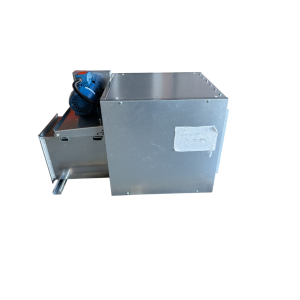
SAFTAIR Motor Housing 5,000/18,000 m³/h 400° TRI
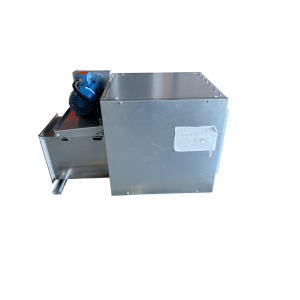
SAFTAIR Motor Housing 6,000/22,000 m³/h 400° TRI
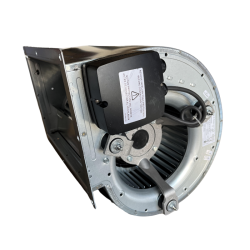
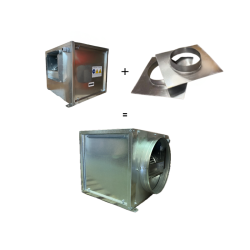
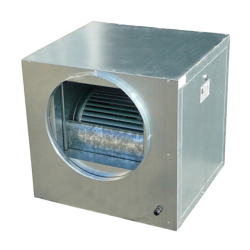
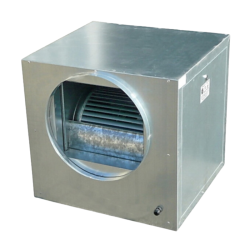
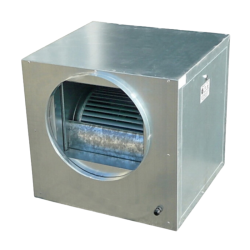
The double-inlet centrifugal fan motor fits directly inside the hood, it's the simplest and most cost-effective solution. The motorised fan box moves the motor away from the hood to reduce noise in the kitchen. The roof extract fan is installed on the roof and offers the highest airflows in the range, up to 24,000 m³/h, fully removing motor noise from the premises.
Double-inlet centrifugal fan motors, fan boxes and roof extract fans up to around 4,200 m³/h generally run on 230V single-phase. Beyond that, particularly for the most powerful roof extract fans in the range, the supply moves to 380V three-phase. Check the power supply available on your site before ordering.
Use the search tool at the top of this page: enter the number of filters in your hood and the type of motor you're after (double-inlet centrifugal fan motor, fan box or roof extract fan) to get an estimate of a compatible model. This calculation is indicative only, non-exhaustive, and depends on the condition of your existing ductwork. Feel free to contact us for help.
Yes, that's actually the point of these two solutions: moving the motor away from the hood, either inside as a fan box or on the roof as a roof extract fan, rather than replacing a double-inlet centrifugal fan motor like-for-like. This means adapting the ductwork between the hood and the new motor location, to plan for before ordering.
Replacing a double-inlet centrifugal fan motor remains within reach of a competent DIYer, helped by the fitting kit (gasket and fixings) and above all by our online video tutorials: https://www.youtube.com/@ventilsogood-cee. Only the electrical connection must be entrusted to a qualified professional to keep the warranty valid.