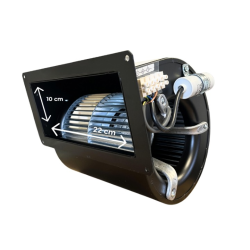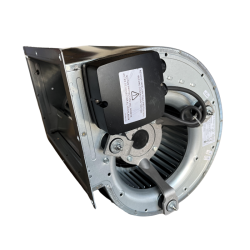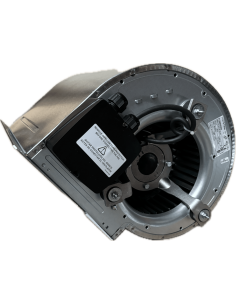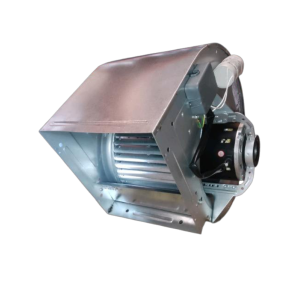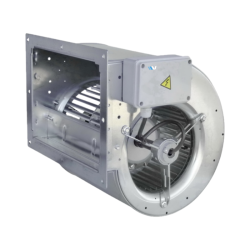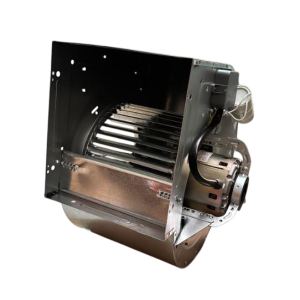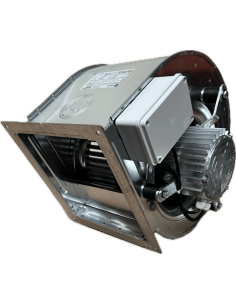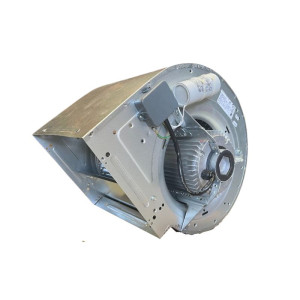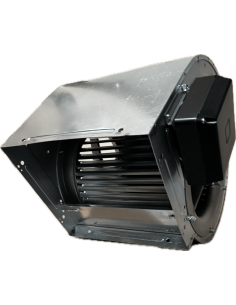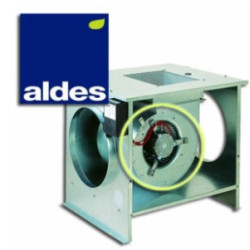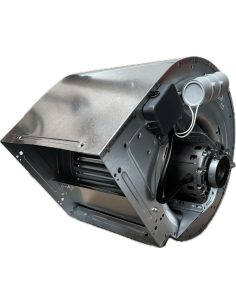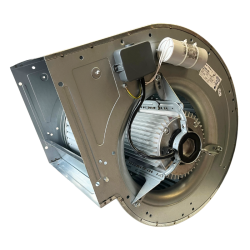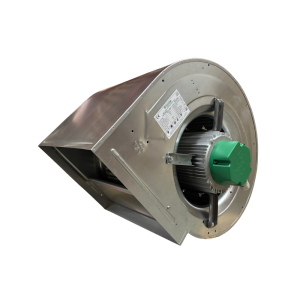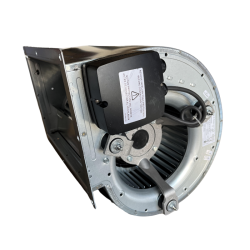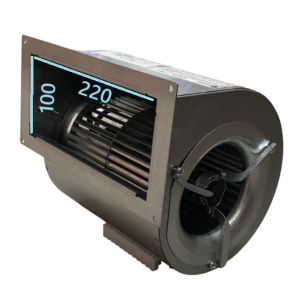
DD133/190 Motor - 720 m³/h Mechanical Ventilation System
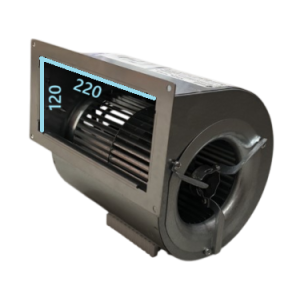
DD146/190 Motor - 800 m³/h Mechanical Ventilation System
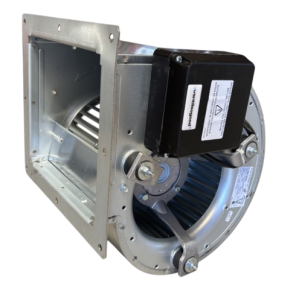
DD7/7 Motor, 1,500 m³/h, 3 Speeds, 220 V
Centrifugal Fan DD7/9 - 2,600 m³/h S&P Compatible with all range hoods - 230 V
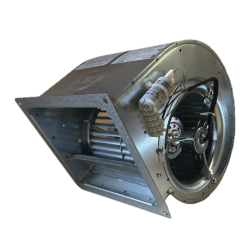
Centrifugal Fan DD 9/7 CBM-9/7 373 4P VR - 2,200 m³/h - 230 V
Centrifugal Fan DDM 9/7 25/19 - 2,900 m³/h - 230 V Nicotra Regal
DD9/7 Motor S&P - 1200/1800/2200 m³/h 3 Speeds
DD9/7 Motor - 1,400/1,900/2,200 m³/h, 3-Speed Mechanical Ventilation System
Frequently asked questions
What's the difference between a DD7/7, DD9/7 and DD146 motor?
These are different sizes of double-inlet centrifugal fan. The DD146 covers the lowest airflows (around 800 to 1,400 m³/h), the DD7/7 goes up to 2,600 m³/h depending on the model, and the DD9/7 reaches 2,200 to 2,900 m³/h. The choice depends on the airflow required for your fan box or ductwork, and the fixing dimensions of your old motor.
How do I know if my old motor is compatible with a new model?
Compare the dimensions of the motor and impeller, the fixing centre distance, the airflow and the direction of rotation rather than just the original brand. If in doubt, send us a photo of the nameplate and the dimensions of your current motor: we'll help you identify the closest model in our range.
Are the motors in this range single-phase or three-phase?
All the double-inlet centrifugal fans in this category run on 230V single-phase, which covers most replacements on communal VMC systems, AHUs and standard boiler rooms. If your installation requires three-phase, contact us to check the available options.
Can a 3-speed double-inlet centrifugal fan replace a single-speed model?
Yes, in most cases a 3-speed motor such as the DD7/7 or DD9/9 in our range can replace a single-speed model if the dimensions and airflow match: it also offers the option to adjust airflow according to the installation's actual needs.
What signs indicate that a VMC fan motor needs replacing?
Significant vibration, unusual mechanical noise, a motor that overheats or a drop in airflow are classic signs of wear in the motor, impeller or bearings. First check that the ductwork isn't blocked before considering a replacement.