Shopping Cart
In stock
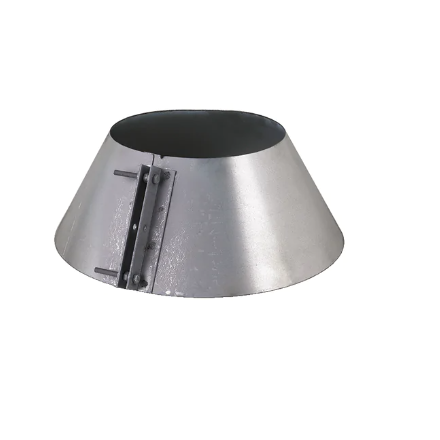
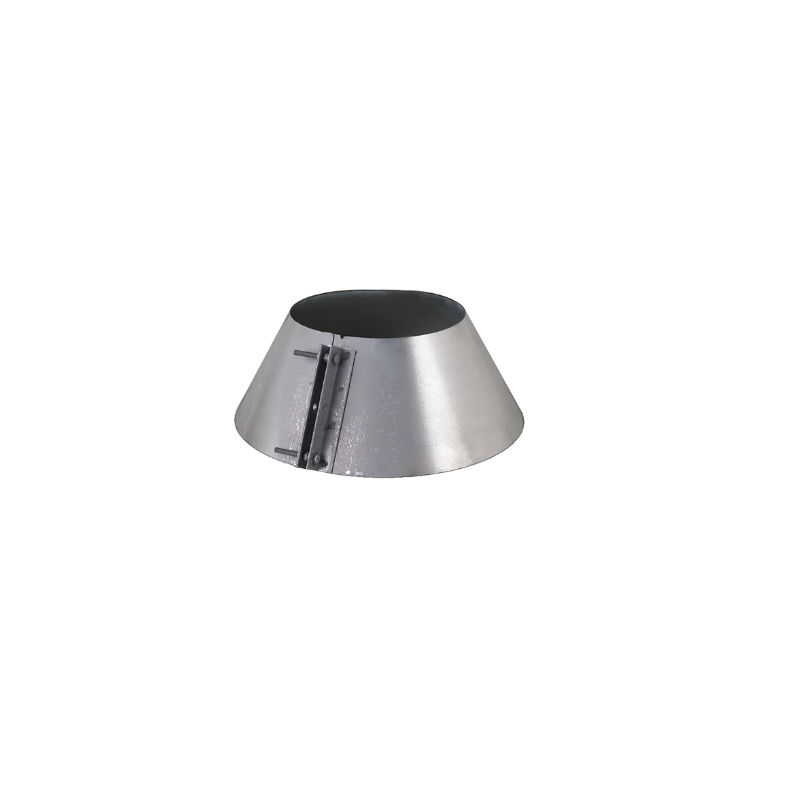
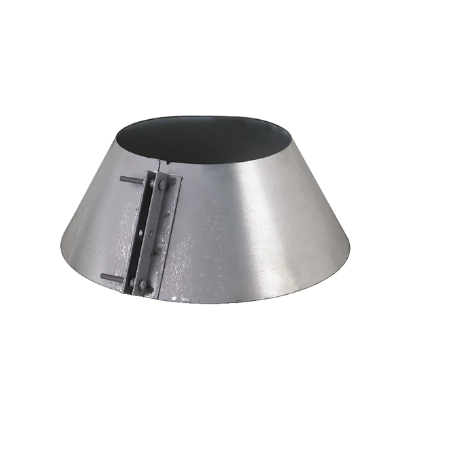
The galvanized steel rain guard slides on and fixes along the duct, like an umbrella pierced in its centre, to stop rainwater running down the duct and getting in where sealing has failed. Available in 8 diameters from 250 to 630 mm.
 Fast delivery
 Advisers 5 days a week
 Payment in 3 or 4 instalments
The galvanized steel rain guard is a roofing accessory that seals the junction between a ventilation duct and the roof covering, preventing water ingress where a duct passes through the roof. Circular in shape, it is available in 8 diameters from 250 to 630 mm.
| Specification | Value |
|---|---|
| Material | Galvanized steel |
| Manufactured | Europe |
| Shape | Circular |
| Available diameters | 250, 315, 355, 400, 450, 500, 560, 630 mm |
| Weight | 5 kg |
The rain guard slides on and fixes along the duct, a bit like an umbrella pierced in its centre, sitting above the duct. Over time, expansion of the metal can create a slight sealing defect at the junction between the duct and the roof flashing: water then finds the smallest gap to run down the duct. The rain guard breaks this water path and directs it back outside, working alongside the roof flashing, which already handles sealing with the roof covering. The two parts work together, each with its own function.
Galvanized steel stands up to the weather without issue: it offers good resistance to corrosion, which limits maintenance and premature replacement. As a bonus, a properly fitted rain guard also reduces thermal bridging and cold draughts at the roof penetration.
A discreet part, but one that saves you a lot of trouble with water ingress the day a storm hits the site.
Product Details
You might also like
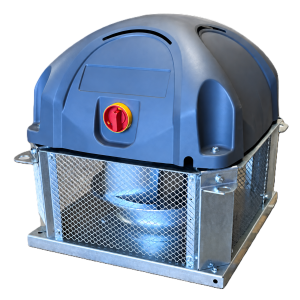
Roof fan Exhaust fan T36 - 2,750 m³/h - 230 V - 400°/2h
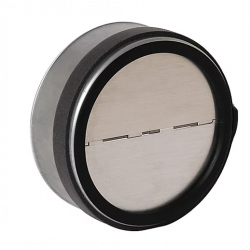
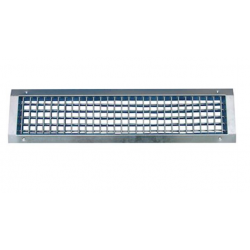
625 x 75 Supply/Return Air Grille for Round Duct
Customers who bought this product also bought:
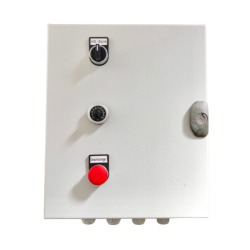
0.75 kW three-phase IP55 frequency controller for professional range hoods and smoke...
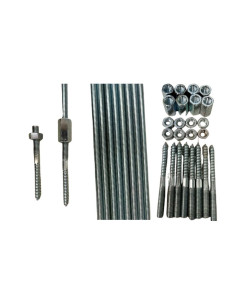
Commercial Rang Hood Installation Kit: Cabinet—Threaded rods and hardware
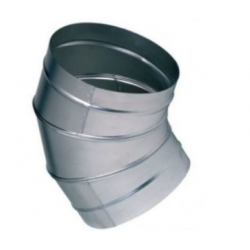
This circular galvanized steel rain guard slides on and fixes along the duct, like an umbrella, and is used alongside a roof flashing. The flashing handles sealing with the roof covering, while the rain guard stops water running down the duct if sealing fails, often due to metal expansion.
Our rain guard is circular: it fits directly around the duct, like an umbrella pierced in its centre to let the duct through. It is used alongside a separate roof flashing, which handles sealing with the roof covering.
The galvanized steel rain guard is available in 8 diameters, from 250 to 630 mm. Measure the exact diameter of your ventilation duct to select the matching reference from the range on offer.
This rain guard is made from galvanized steel, a material known for its good resistance to corrosion. It is manufactured in Europe and weighs 5 kg.