Shopping Cart
In stock
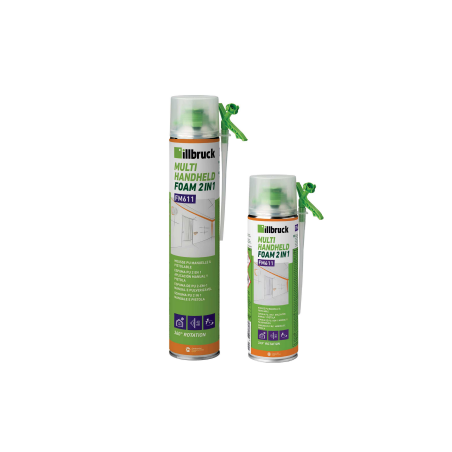
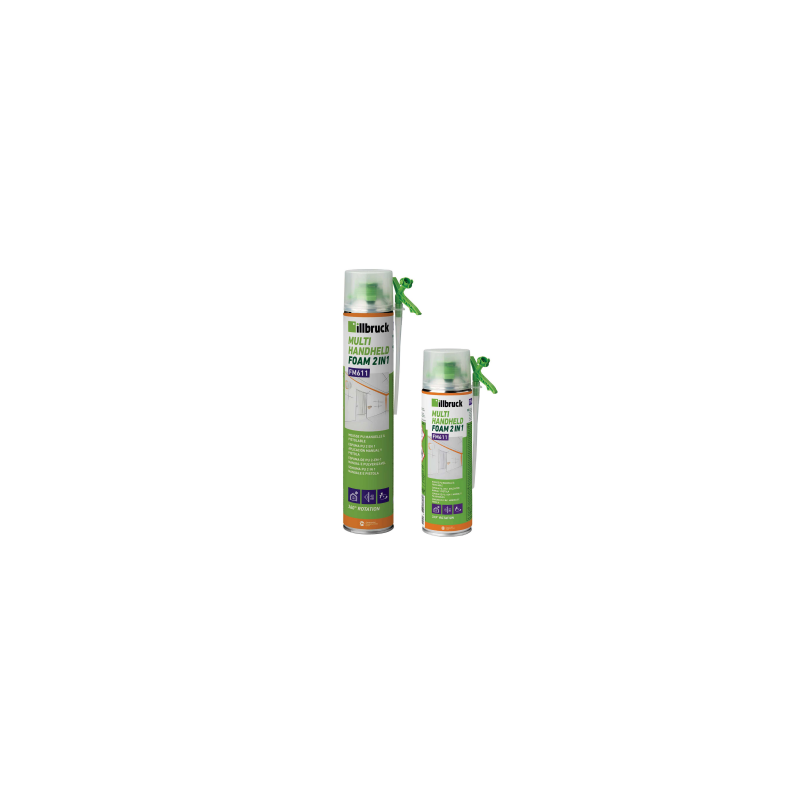
The Expanding Insulation Foam from VentilSoGood fills cavities and seals the joints in your ductwork in a single pass, thanks to its 2-in-1 system for manual or gun application.
 Fast delivery
 Advisers 5 days a week
 Payment in 3 or 4 instalments
The Expanding Insulation Foam is a 750 ml aerosol of single-component polyurethane foam, designed to fill cavities and seal joints in mechanical ventilation ductwork. It cures simply on contact with air and the substrate, with no complex preparation required.
On site, it's the kind of product you always keep in the toolbox: a quick pass of the nozzle around a duct passing through a partition, and the sealing job is done. Its innovative 2-in-1 system allows for manual use with the supplied nozzle, ideal for precise cavity filling, or screwing onto a foam gun for more regular jobs.
| Reference | mousseisolaéro |
|---|---|
| Capacity | 750 ml |
| Composition | Single-component polyurethane |
| Curing | On contact with air and the substrate |
| Application | Manual (nozzle) or gun-applied |
| Components | HCFC-free |
| Weight | 1 kg |
| Warranty | 1 year |
This expanding foam is suitable for almost all substrates encountered on a ventilation site: concrete, masonry, stone, plaster, wood, cement and mineral fibre concrete, polystyrene, polyester, rigid PVC. It is commonly used around duct penetrations, at fan box connections, or to stabilise a fixing before finishing. Once cured, the foam must be protected from UV rays to maintain its performance over time.
For fixing your ductwork components, see our galvanised steel perforated bracket and our strut mounting rail. For a penetration requiring fire resistance, see our fire-rated expanding foam.
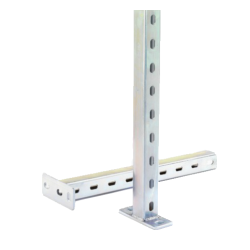
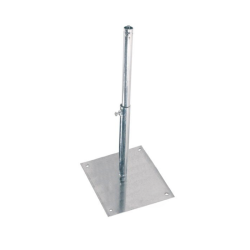
Perforated galvanized steel bracket
Customers who bought this product also bought:
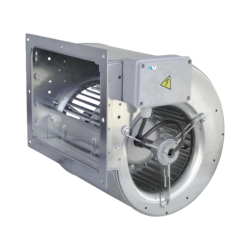
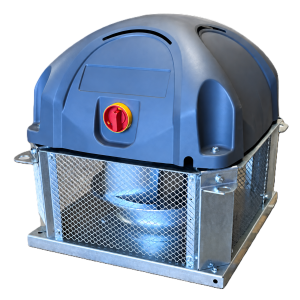
Roof fan T40 exhaust fan - 4,200 m³/h - TRI - 400°/2h
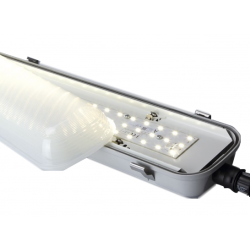
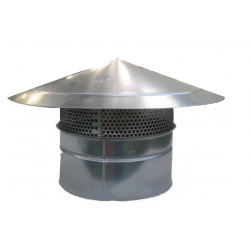
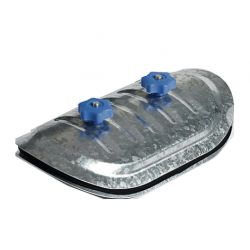

Commercial Rang Hood SPECIAL FOUR Pack, 1–3 m + 230V Motor + Speed Controller
The Expanding Insulation Foam is used for filling cavities and standard insulation of mechanical ventilation ductwork, on concrete, wood, rigid PVC and other site substrates. For a penetration subject to a fire resistance regulatory requirement, you should use our fire-rated expanding foam, dedicated to this specific application.
The Expanding Insulation Foam features a 2-in-1 system: manual use with the supplied nozzle, recommended for precise cavity filling, or screwing onto an expanding foam gun for more regular application or larger areas.
This professional-grade foam is suitable for most substrates encountered in construction: concrete, masonry, stone, plaster, wood, cement and mineral fibre concrete, polystyrene, polyester and rigid PVC. It is therefore suitable for both duct penetrations and fan box fixings.
Yes, once cured, the foam withstands weather, heat and moisture. However, it must be protected from UV rays, with paint or a finishing render, to maintain its performance over time where exposed to daylight.